
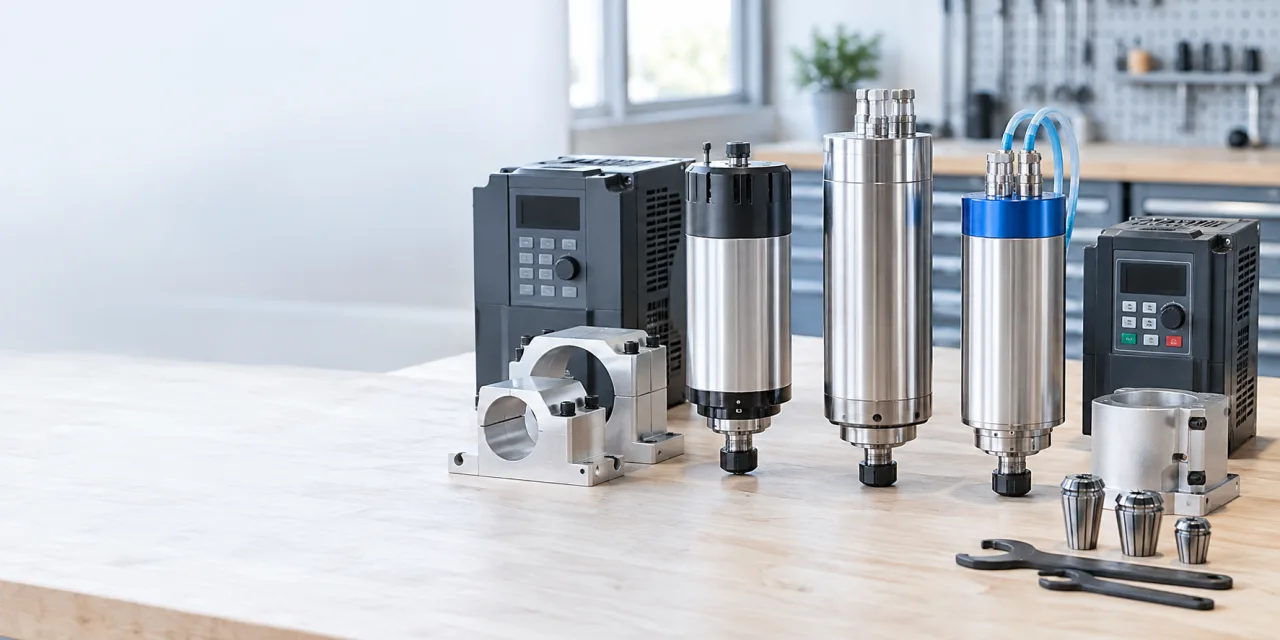
-
Spindle and drawbar, exact holder interface and compatible holders.
-
Tool rack or carousel with its effect on travel and clearance.
-
Required compressed air quality, pressure and flow, including preparation equipment.
-
Controller, tool-change logic, compatible CAM post-processor and recovery instructions.
In this guide
Turn this guide into a buying request
Keep this page as context. Add what you know; review everything before sending. No purchase is made at this step.
Continue to request →An automatic tool changer can reduce attended changeovers on repeat multi-tool jobs. Its value depends on the jobs you run, the machine’s supported configuration and the complete installed cost.
For occasional work, a documented manual-change workflow may be better value. Time it on a representative job rather than accepting a universal payback claim.
Quote the complete supported system
- Spindle and drawbar, exact holder interface and compatible holders.
- Tool rack or carousel with its effect on travel and clearance.
- Required compressed air quality, pressure and flow, including preparation equipment.
- Controller, tool-change logic, compatible CAM post-processor and recovery instructions.
- Tool-length measurement, guarding and documented behaviour after an interrupted change.
- Installation, commissioning, training and replacement-part support.
Verify the machine integration
Check the manufacturer’s permitted spindle mass, mounting, travel and load limits. A heavier or longer spindle can affect the system, but it is not accurate to assume every ATC reduces rigidity by the same amount. A retrofit needs engineering review beyond mechanical fit.
Illustrative time-value calculation
Assume 30 jobs a month, three manual changes per job, two avoidable operator minutes per change and USD 24/hour of genuinely recoverable time. That is 30 × 3 × 2 ÷ 60 × 24 = USD 72/month. This hypothetical value excludes maintenance and capital costs; time is not a cash saving if it cannot be redeployed. Replace every input with your workflow.
Ask for a change-cycle acceptance test
- Show each tool position with the supplied holders and a representative program.
- Record tool identification and length measurement, repeatability checks and any failures.
- Require the supplier’s approved fault-recovery demonstration, performed by qualified personnel.
- Never accept bypassed guarding or interlocks as a normal operating method. A successful video is limited evidence of the demonstrated configuration.
What to ask the seller
Get details for the exact item before approving a purchase.
- What model and revision is being shipped?
- Can the seller provide photos of the actual item and its condition?
- What accessories and documents are included?
- What are its packed dimensions and weight?
Plan the CNC inspection
Ask for a photo checklist of the goods received before international shipping.
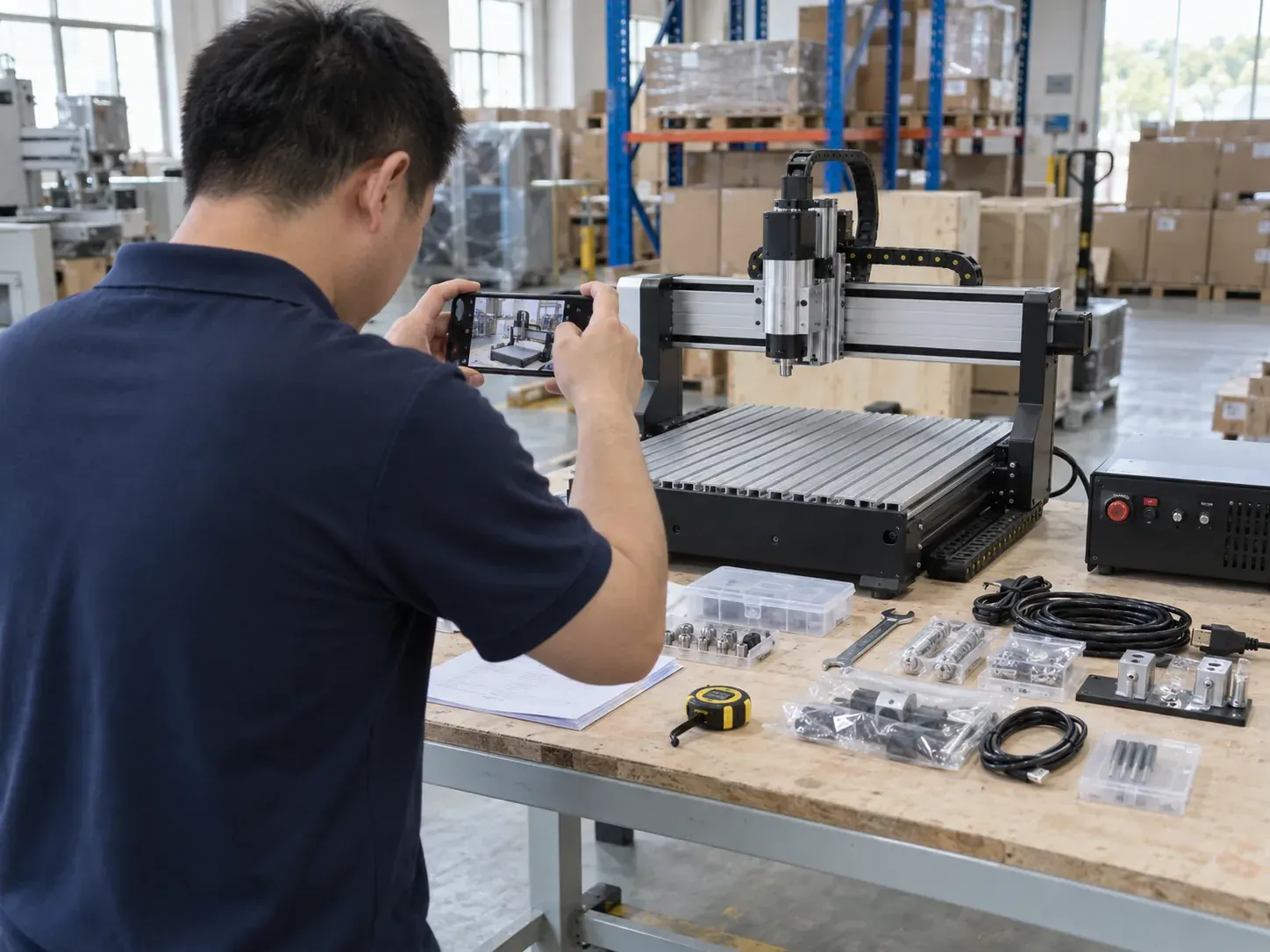
- Item, model and quantity
- Visible condition and included accessories
- Packaging before dispatch
Common questions
- Can I add ATC later?
- Only if the manufacturer or competent integrator confirms the mechanical, electrical, software and safety scope. Price the integration before assuming an upgrade is economical.
- Which holder interface is best?
- Use the interface approved for the spindle and workload, then compare local holder availability, runout specifications and replacement cost.
- Will ATC make unattended operation safe?
- No. Tool changing is one function. Unattended operation requires its own machine-specific risk and process assessment.
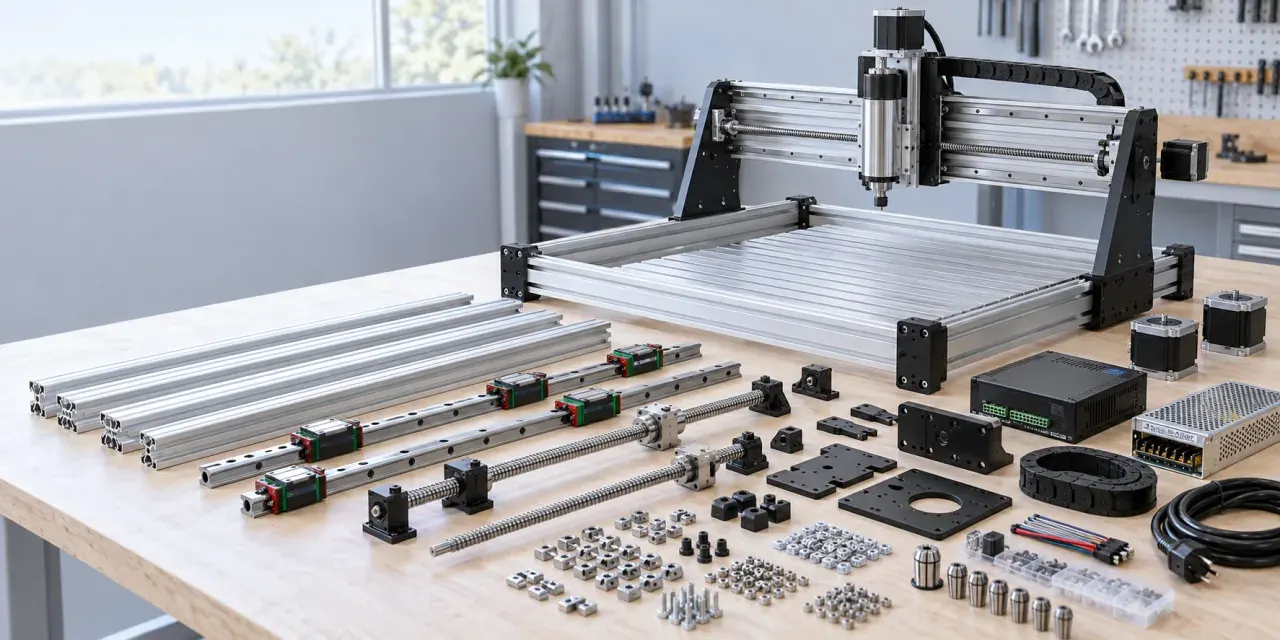 Entry-level CNC router budget: spend on a usable setup
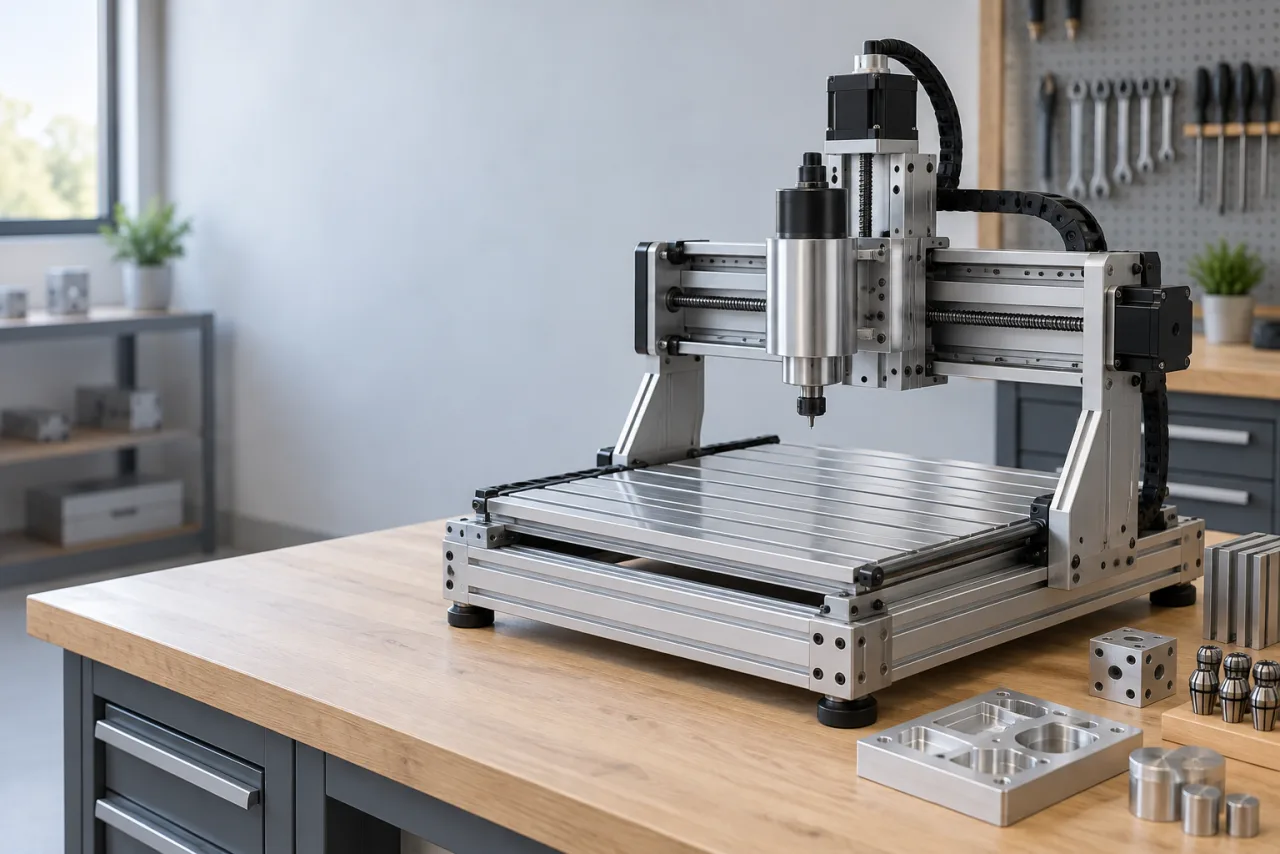 Low-price desktop CNC: the usable-total-cost checklist