Site home Blog 1688 CNC
Buying notes Practical tutorials for quote requests, specification checks, receiving and shipping.
AI-generated editorial illustration A configuration copy and a battery invoice can leave different retained states unexplained. Ask which component, information and service history each record covers.
Read article: Separate CNC Encoder Position Retention from the Controller Backup → AI-generated editorial illustration Separate the manufacturer’s standard grease from the documented fill in each delivered component before arranging consumables or requesting a substitution review.
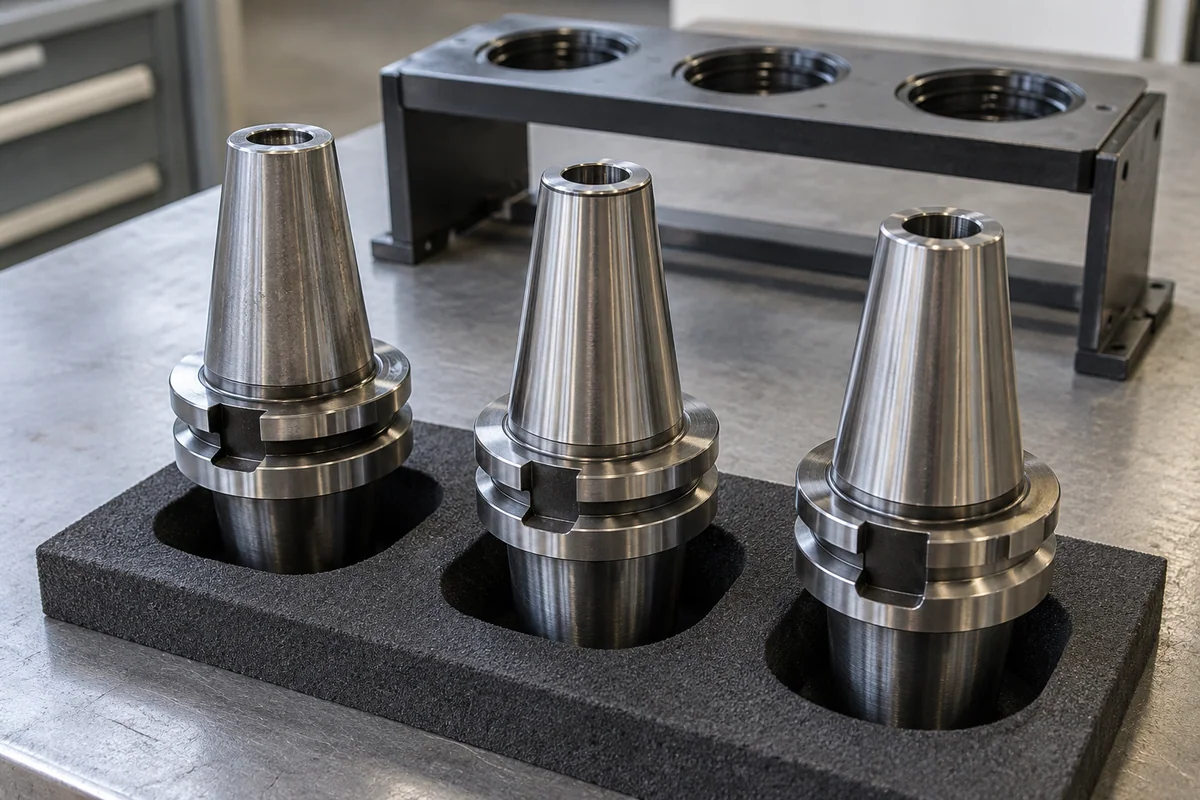
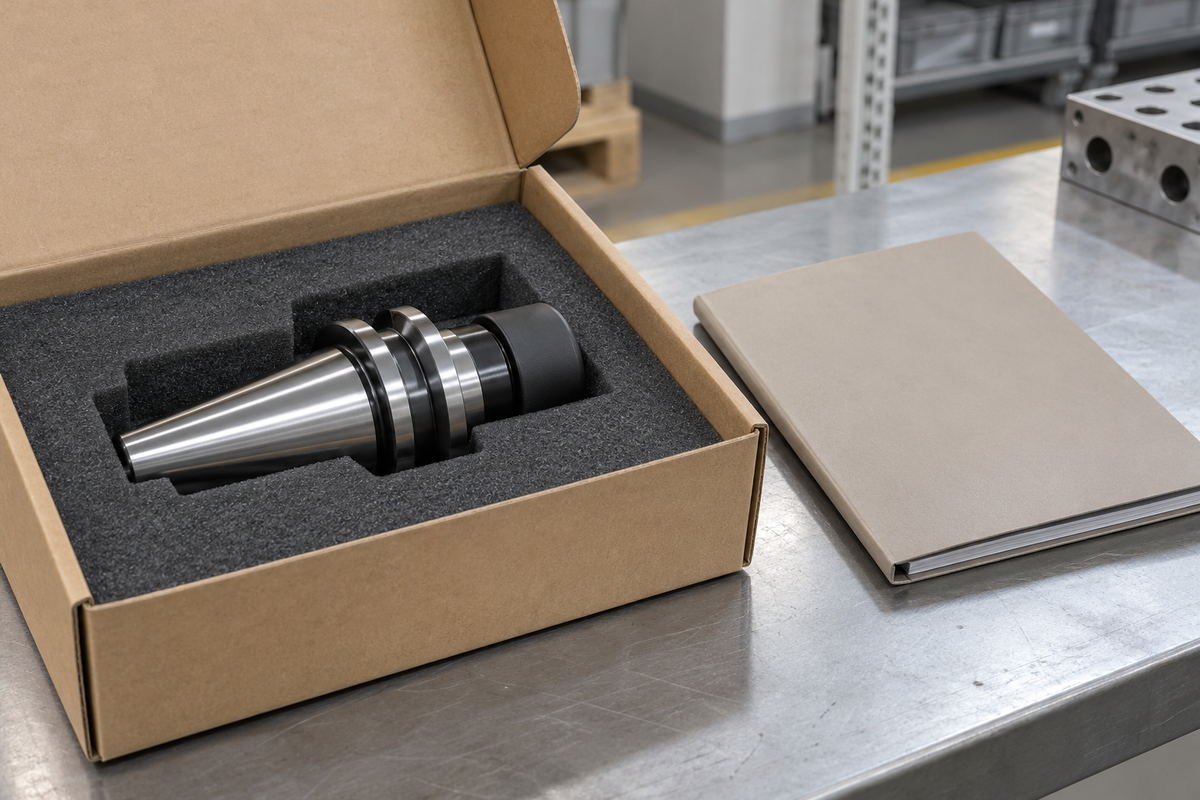
Read article: Record the Lubricant Actually Present in Each Delivered CNC Component → AI-generated editorial illustration Quote ATC holders against the selected spindle, retention arrangement and rack, with exact component identities and combination evidence.
Read article: Quote ATC Holders with the Exact Spindle Interface → AI-generated editorial illustration Resolve the exact goods, route and container pathway under Australia’s seasonal BMSB measures before comparing available freight options.
Read article: Check the BMSB Route Before Booking CNC Machinery to Australia → AI-generated editorial illustration Three columns can carry different meanings. Preserve the provider’s format declaration, joint context and provenance before treating compensation data as a resolved handover.
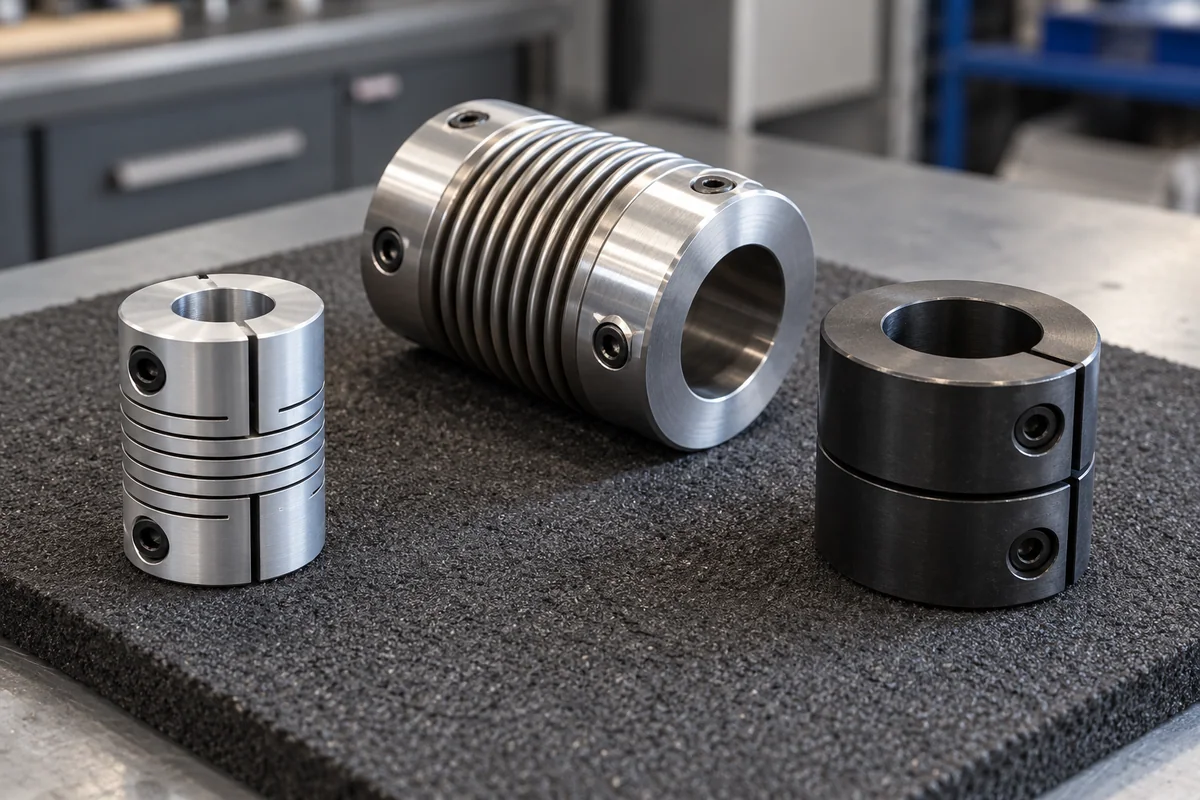
Read article: Keep CNC Axis Compensation Data with Its Interpretation Record → AI-generated editorial illustration Define both coupling bores, shaft connections and assembly limits before asking a supplier to propose a reviewed axis-coupling candidate.
Read article: Specify Both Sides of an Axis Coupling Before Ordering → AI-generated editorial illustration Check axis-result coverage by characteristic, travel points, approach direction and configuration before accepting a full-travel claim.
Read article: Separate Positioning, Repeatability and Lost-Motion Evidence → AI-generated editorial illustration Review packing-driven changes against the approved tool assembly and its accepted balance documentation before authorizing separation or substitution.
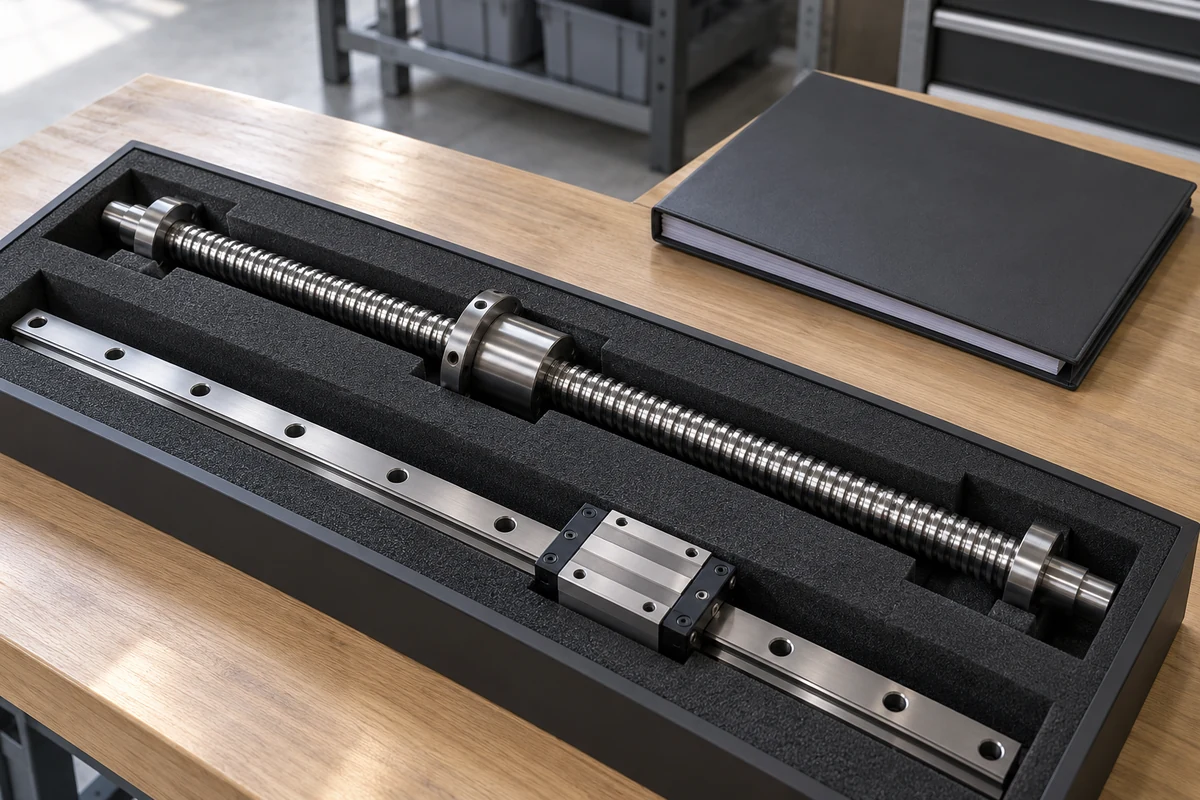
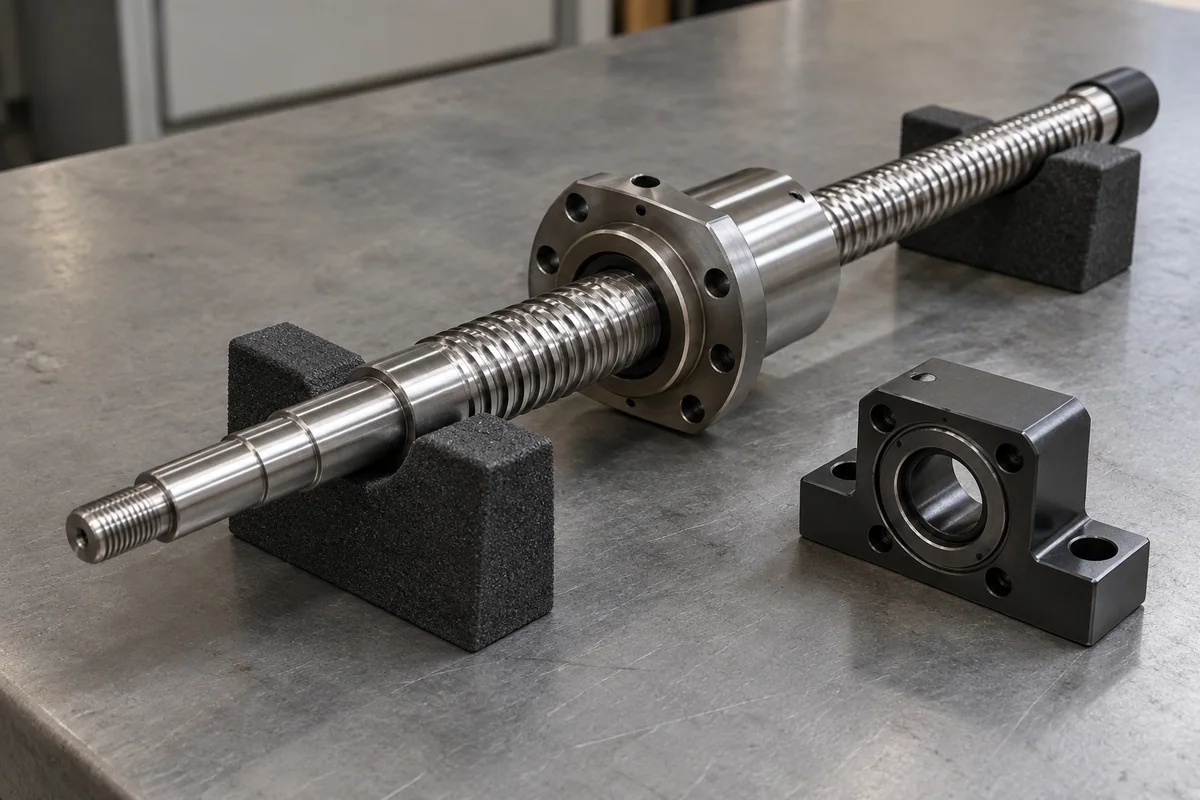
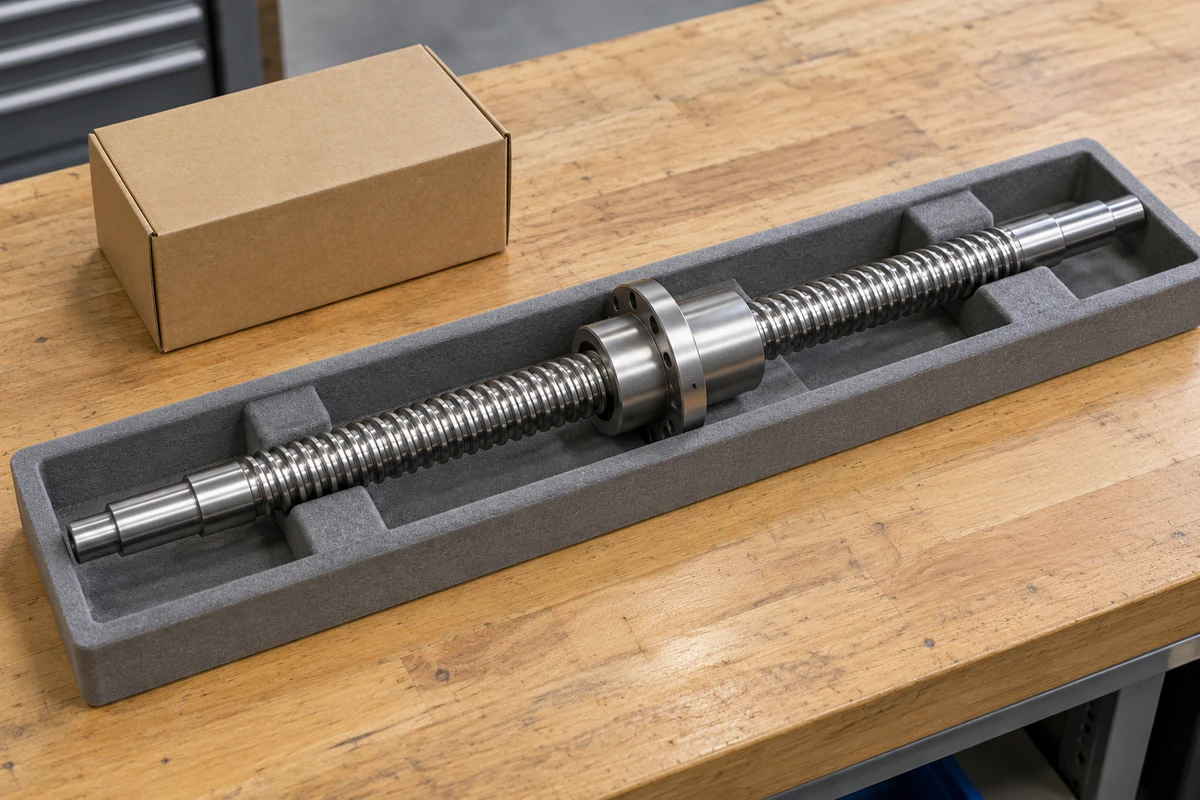
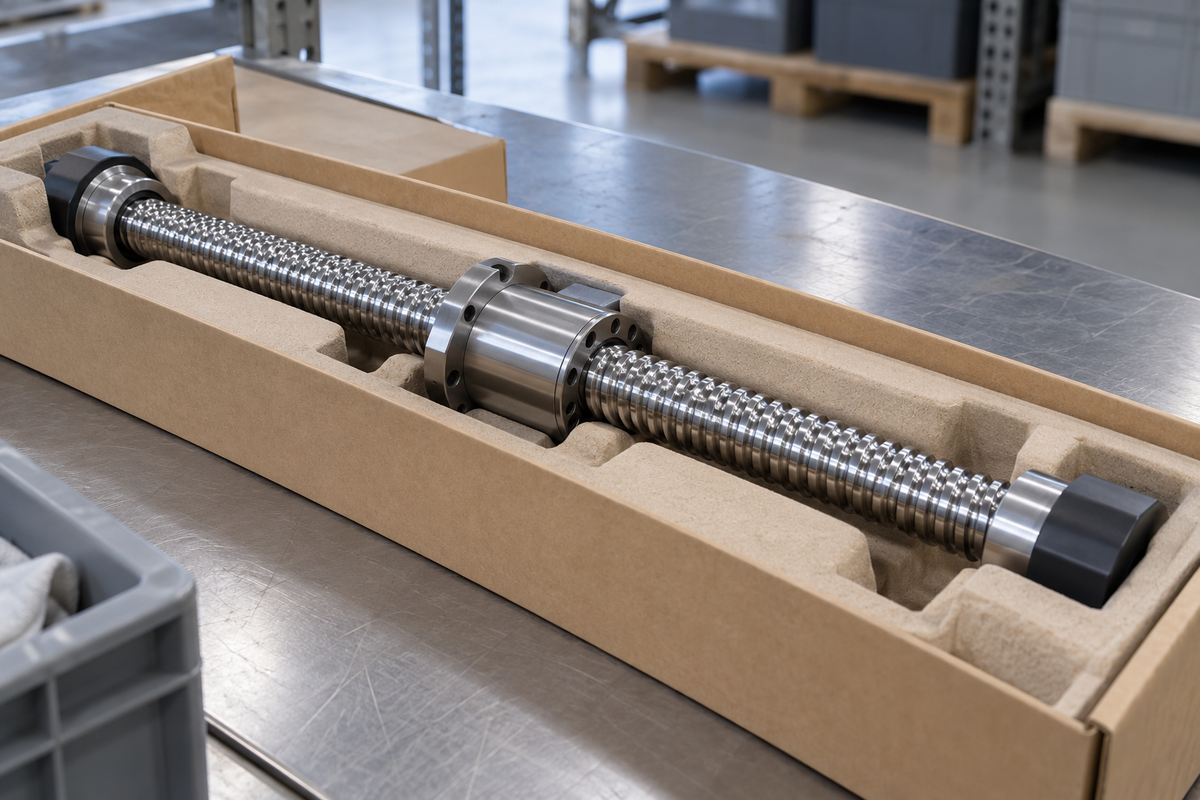
Read article: Preserve the Approved Tool Assembly When Packing It → AI-generated editorial illustration Specify ballscrew ends, nut mounting and support interfaces so a replacement quote answers the actual assembly requirement.
Read article: A Ballscrew Quote Needs the Ends and Nut Interface Too → AI-generated editorial illustration Identify the ballscrew family’s supply rule before comparing loose-nut and complete-set offers, and count spares in the unit the application actually requires.
Read article: Can You Reorder Just the CNC Ballscrew Nut? Check the Supply Boundary → AI-generated editorial illustration Clarify the supplied screw-and-nut state, any transport-retainer role and the responsible provider before approving a ballscrew packing change.
Read article: Agree the Ballscrew Transport-Retention Scope Before Packing → AI-generated editorial illustration Decide whether a bearing kit can be divided without opening its protective pack, and resolve the remaining stock’s status before authorizing the split.
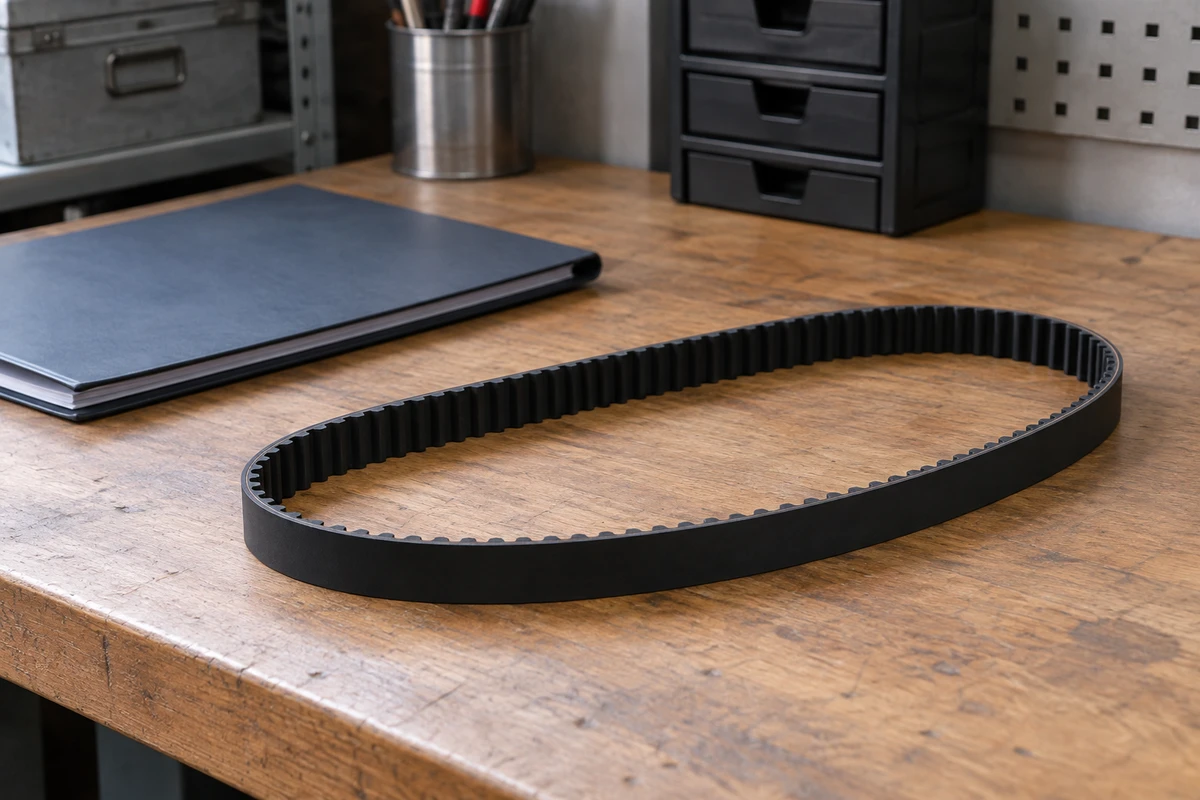
Read article: CNC Spare Bearings: Check the Bulk-Pack Opening Boundary → AI-generated editorial illustration A recycled retension line can describe a different belt family. Ask the provider to reconcile the exact installed belt, equipment instructions and any outstanding follow-up.
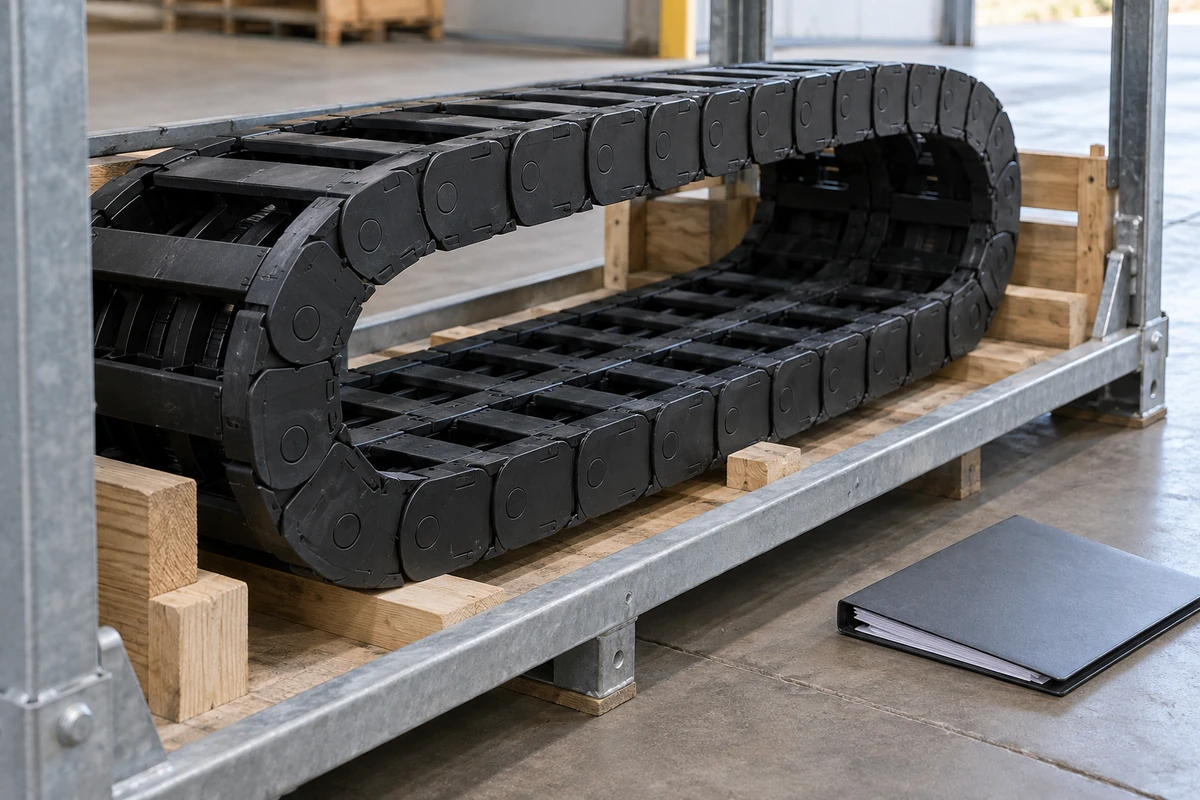
Read article: Match CNC Belt Follow-Up Records to the Supplied Belt Family → AI-generated editorial illustration Resolve which rack modules return, which elements stay in the machine application, and what offer-specific release and commercial terms govern the return.
Read article: Define What Returns with a CNC Cable-Chain Transport Rack → AI-generated editorial illustration A Fusion spreadsheet export omits Tool Library expressions. Establish whether the agreed handover requires relationships, static values or both.
Read article: Check What a Fusion Spreadsheet Tool Library Leaves Behind → AI-generated editorial illustration Compare clamping kits by table geometry, stud thread and component identities rather than relying on the advertised number of pieces.
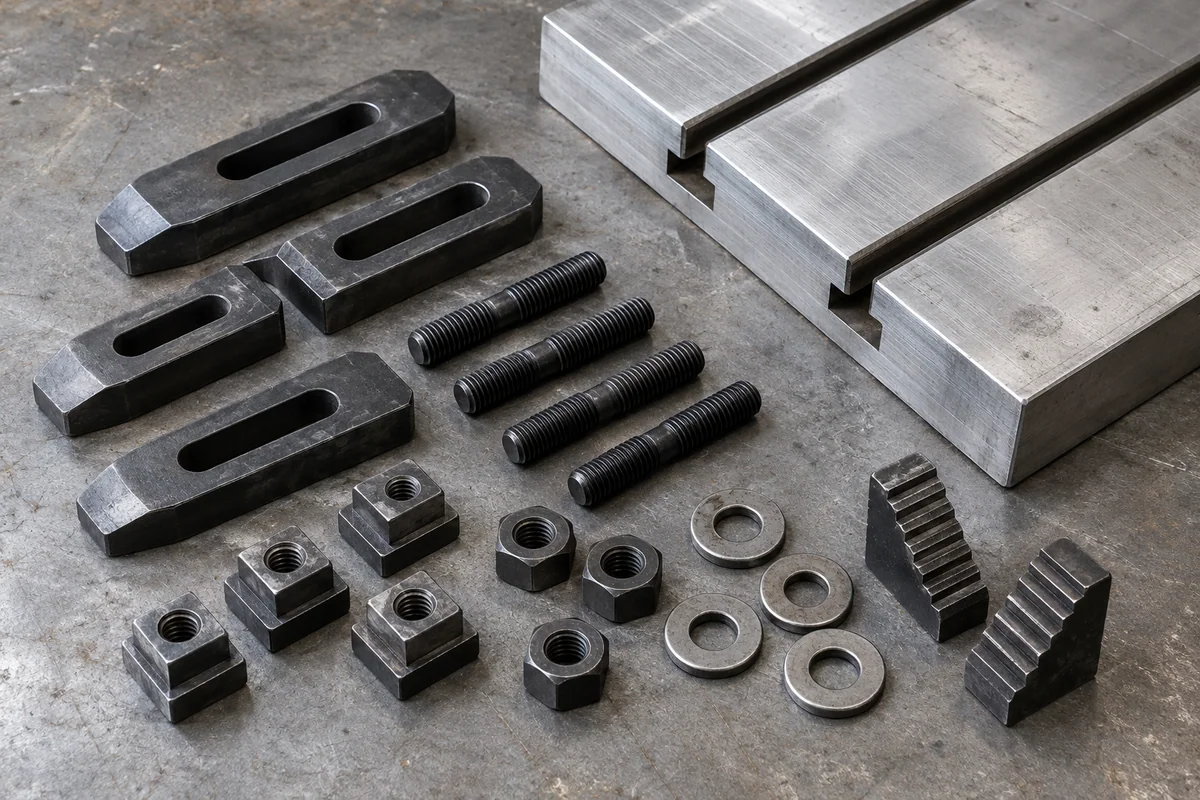
Read article: Buy a Clamping Kit by Table and Thread Interfaces → AI-generated editorial illustration Keep ER series, exact bore designations and accessory locations clear when retaining or replacing the storage cases in a consolidated collet order.
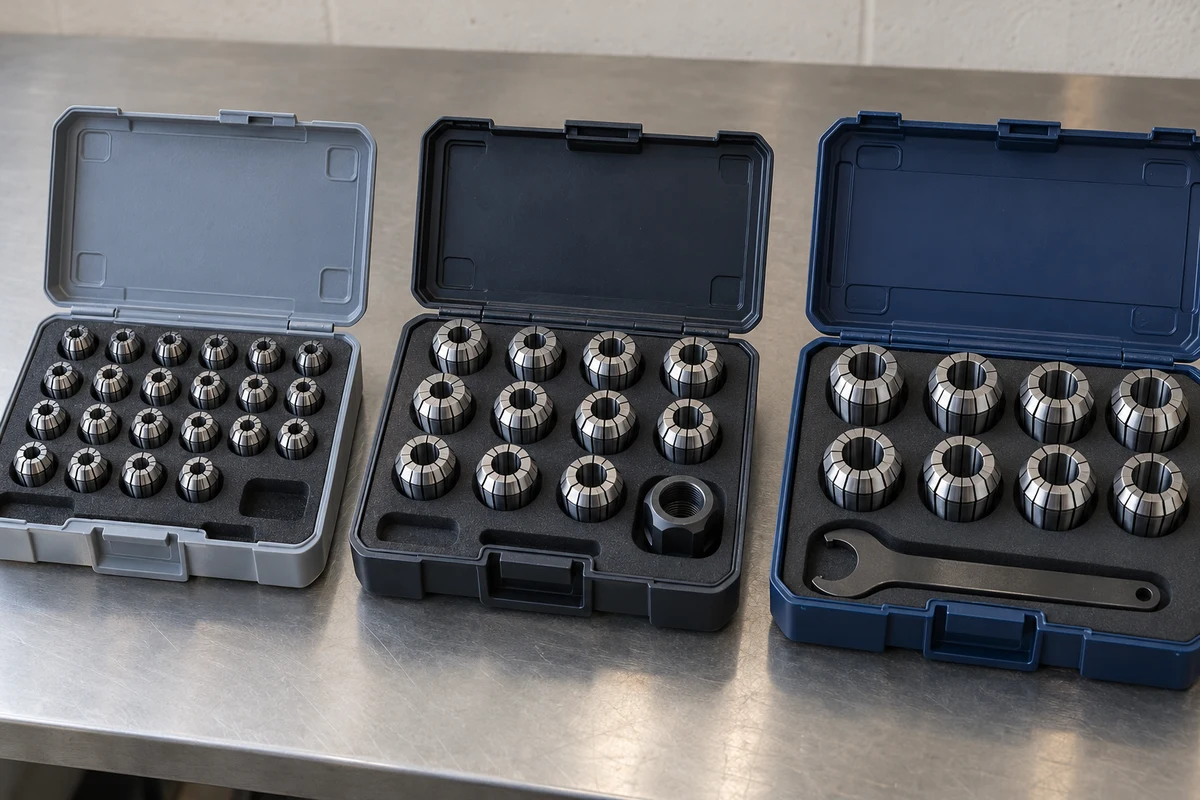
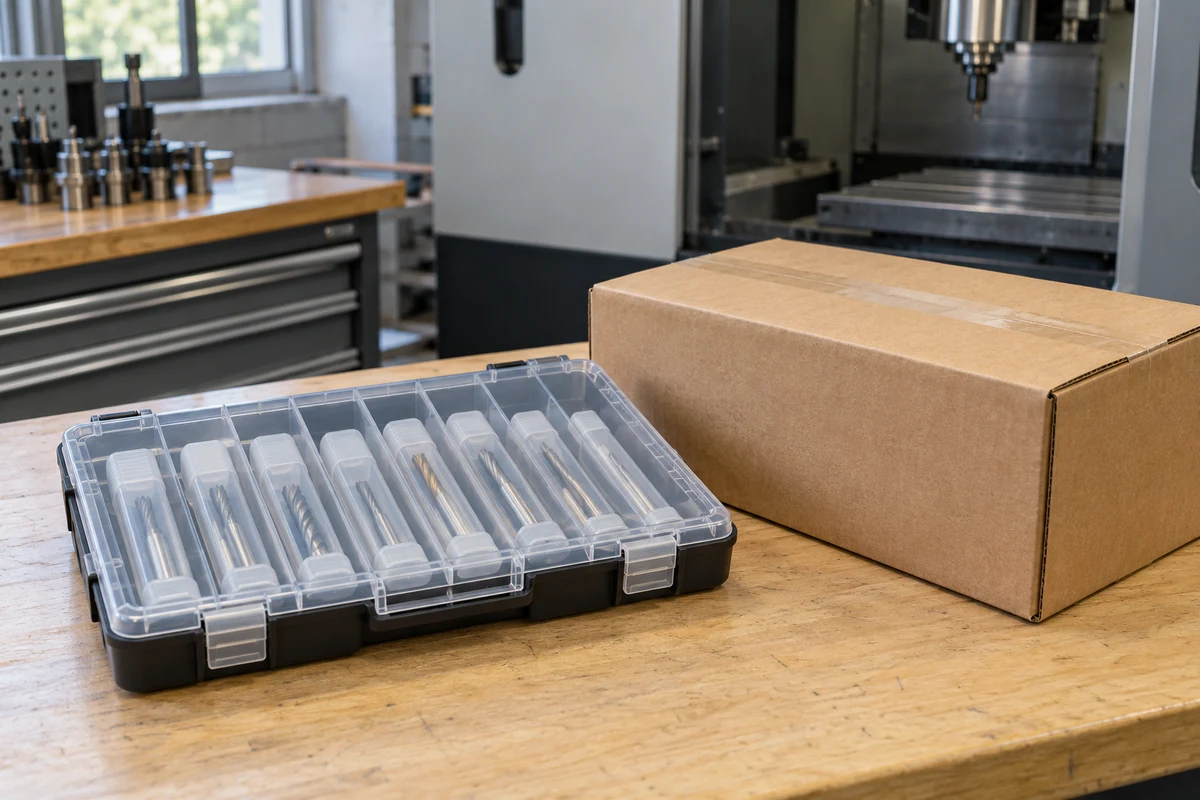
Read article: Keep ER Collet Sets Organized When Consolidating Cased Kits → AI-generated editorial illustration Keep metric and inch cutter shanks distinct, identify the exact collet range, and resolve the holder and nut before approving a combined order.
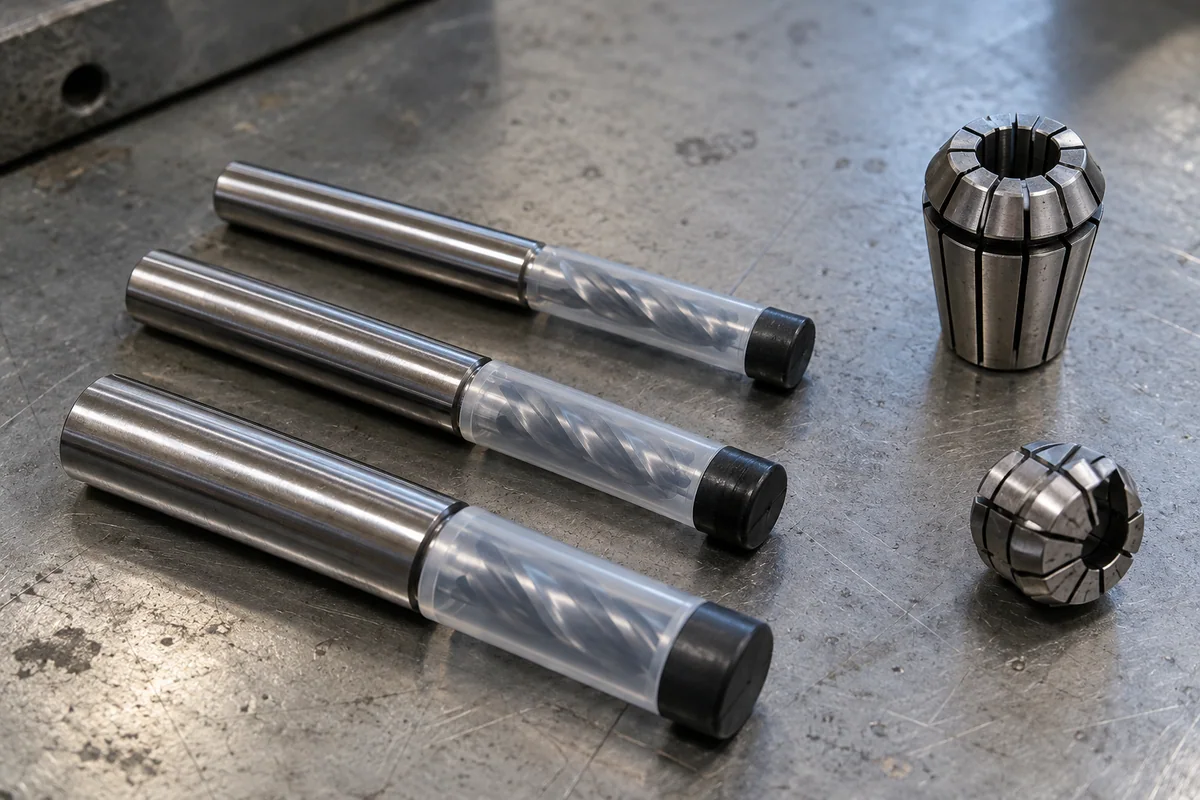
Read article: Specify Cutter Shanks and Collet Ranges Without Rounding Units → AI-generated editorial illustration Separate machine unloading completion from actual empty-container return availability, and preserve evidence for a shipment-specific charge review.
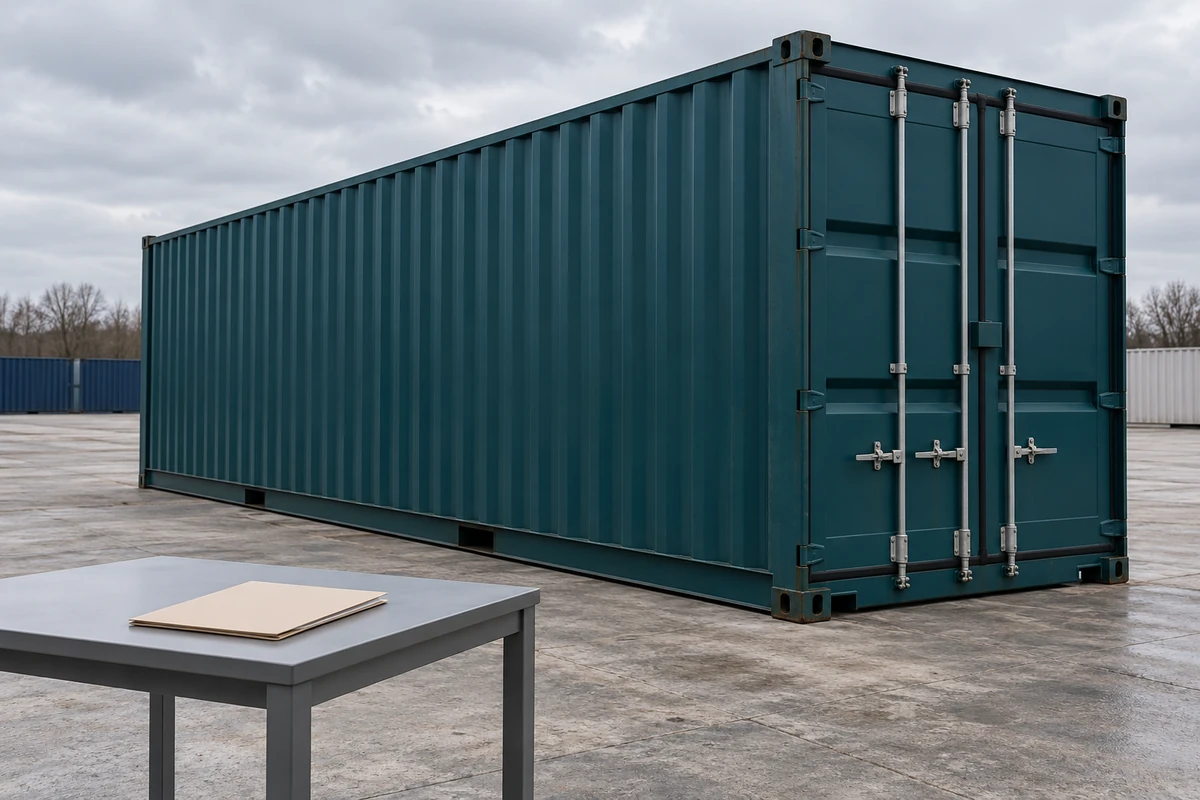
Read article: Record Empty-Container Return Availability for a CNC Delivery → AI-generated editorial illustration Identify the container-level VGM owner, submission and receipt before relying on a CNC crate packing list to support the booking.
Read article: Keep Machine Crate Weight Separate from Container VGM → AI-generated editorial illustration Define which controller electronics packages stay closed during consolidation and who authorizes any opening or replacement protective arrangement.
Read article: Specify the ESD Packaging Boundary for a CNC Controller Kit → AI-generated editorial illustration Check whether a replacement controller or computer changes the licensed hardware, and make entitlement resolution an explicit part of the offer.
Read article: Replacing a CNC Controller or PC: Check What the Software Licence Is Tied To → AI-generated editorial illustration Compare supported old and new factory cutter packs with the agreed kit presentation, including a uniform-version requirement and version-specific material wording.
Read article: Decide Whether Mixed Factory Cutter Packs Meet the Order → AI-generated editorial illustration Ask for the actual cutting section, neck dimensions and holder assumption before treating a cutter’s overall length as evidence of reach.
Read article: Separate Cutting Length, Neck Reach and Overall Cutter Length → AI-generated editorial illustration Resolve the delivered cutter’s manufacturer grade, substrate and coating designation without using a gold surface or a broad coating label as identity proof.
Read article: Verify the Delivered Cutter Grade and Coating Claim → AI-generated editorial illustration Keep each CNC cutter connected to its exact order code while preserving approved individual protection through a mixed-tool kit packout.
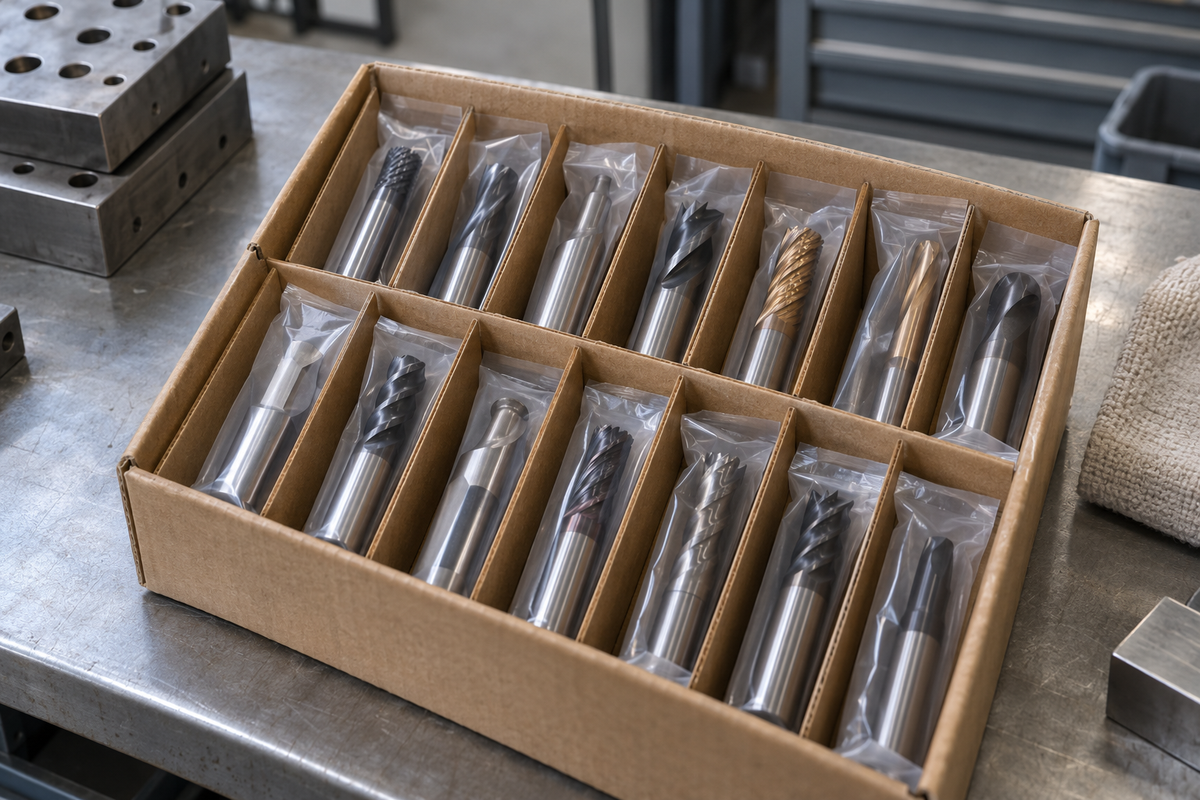
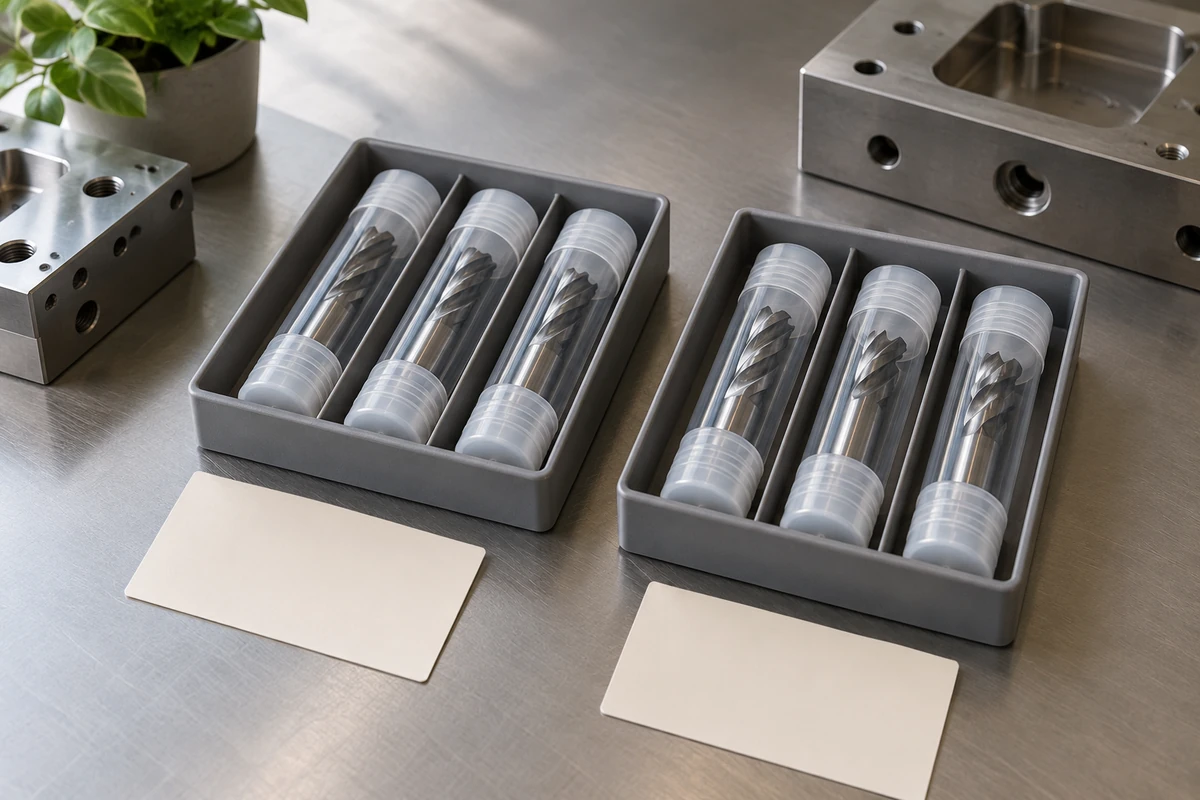
Read article: Keep Cutter Edges Protected Without Losing Tool Identity → AI-generated editorial illustration Define regional collection, return carriage and rejected-tool terms before treating a reconditioning shipment as economical replacement stock.
Read article: CNC Tool Reconditioning Freight: Budget for Tools That May Be Rejected → AI-generated editorial illustration Separate replacement strip length, bristle height and retained boot hardware, resolving the supplier’s size labels before comparing offers.
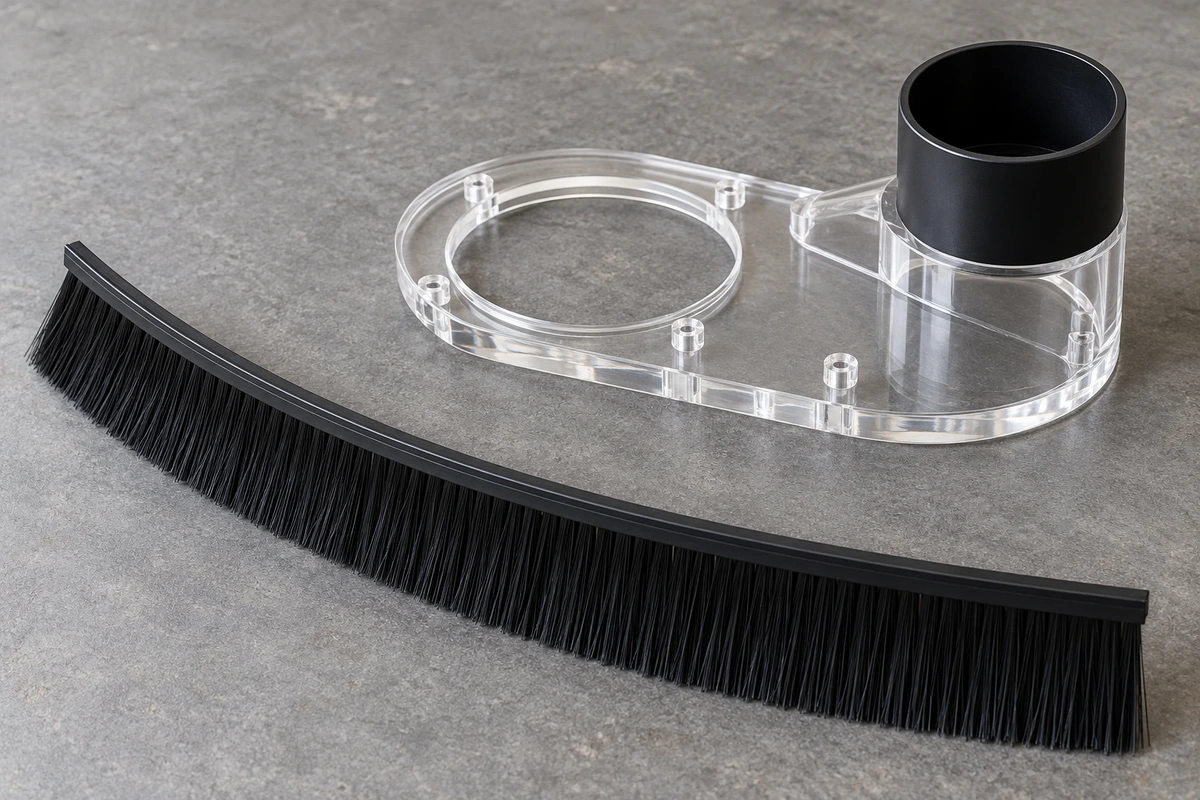
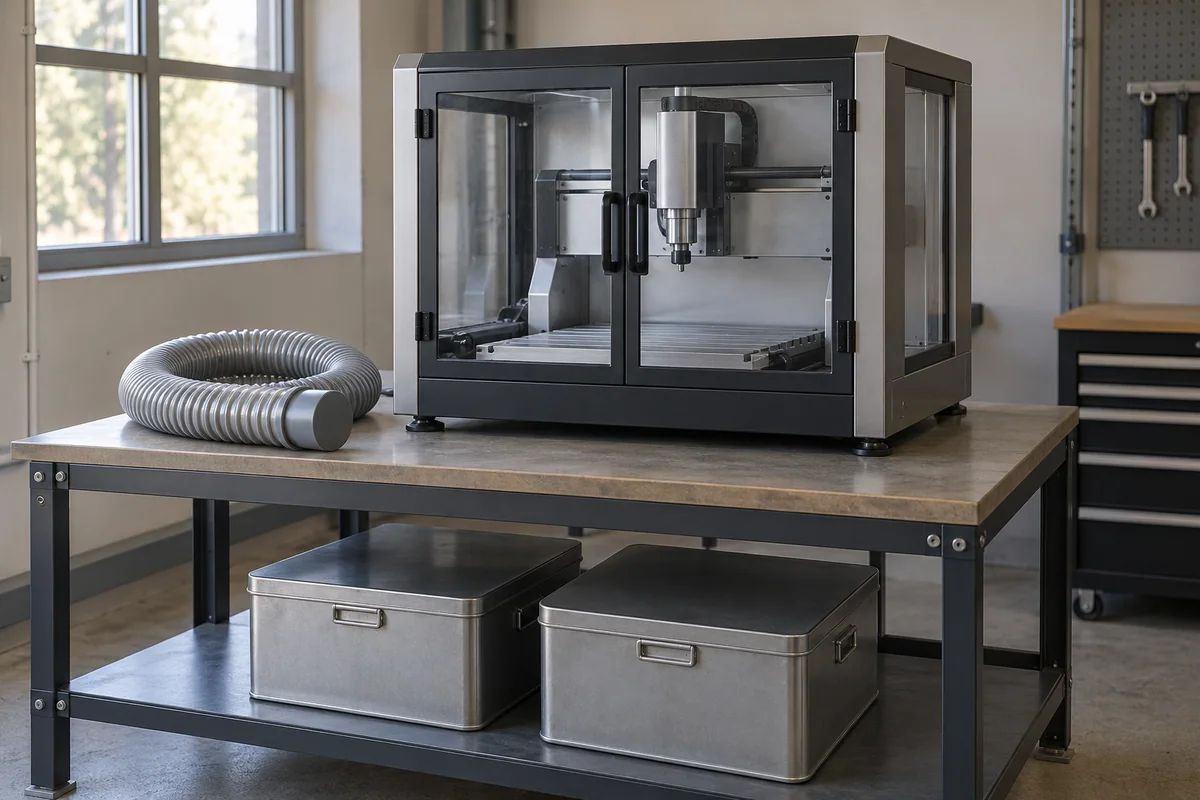
Read article: Buy Dust-Boot Brush Material Without Rebuying the Boot → AI-generated editorial illustration Check enclosure door motion, panel removal and manufacturer-required service access against the intended site before approving the footprint.
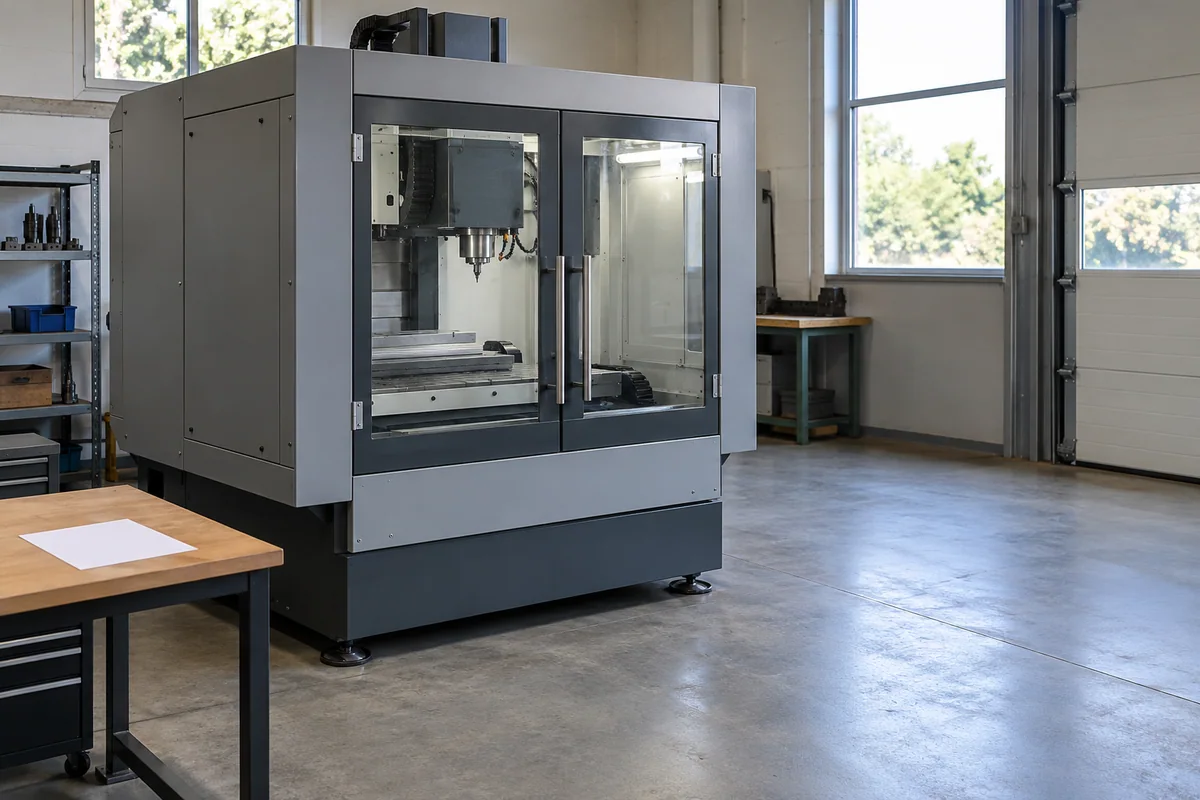
Read article: Specify Enclosure Access Before Approving Its Footprint → AI-generated editorial illustration Read CNC extraction handover records against the installed hood, ductwork, process and results, keeping catalogue ratings and pressure readings in context.
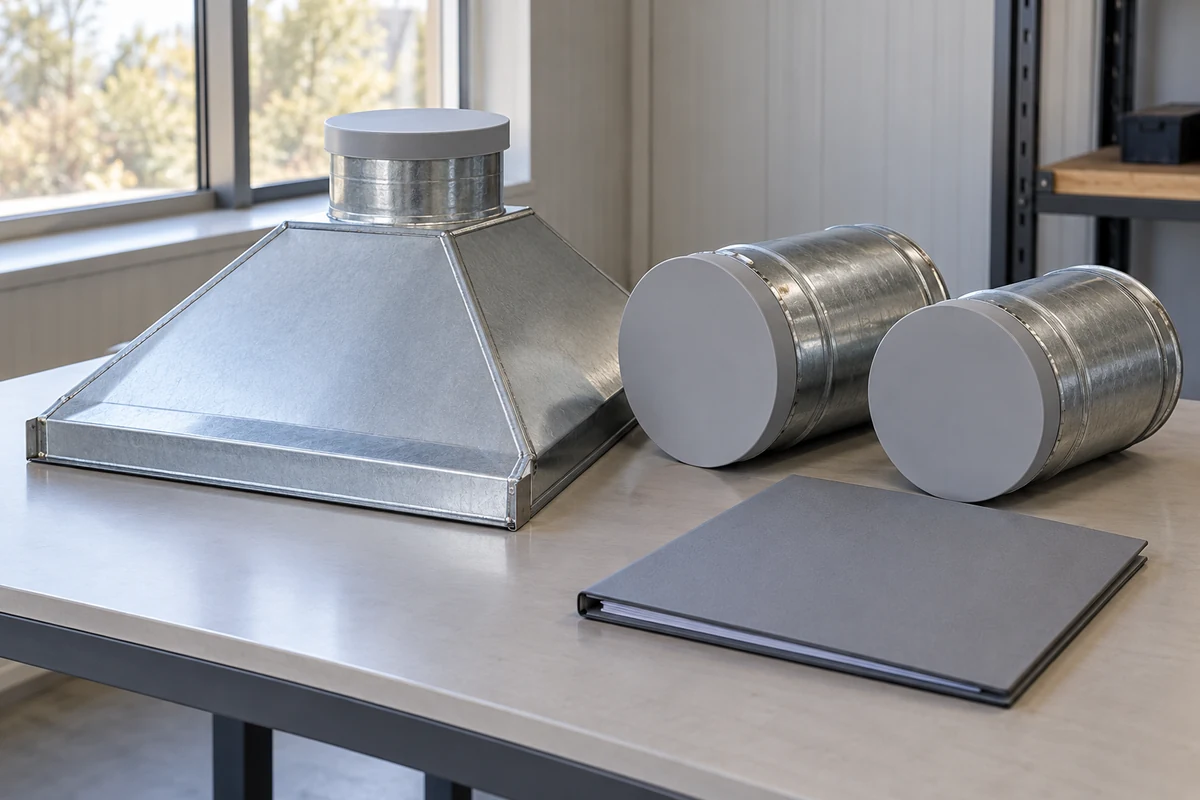
Read article: Read the Installed CNC Extraction Commissioning Record → AI-generated editorial illustration Prepare material, process, contaminant and duty information so a competent provider can define a CNC extraction proposal and its limits.
Read article: Describe the Material and Duty Before Requesting Extraction → AI-generated editorial illustration Apply the named reusable bag’s dry, non-hazardous and fine-dust restrictions before comparing repeat bag purchases with an eligible reuse option.
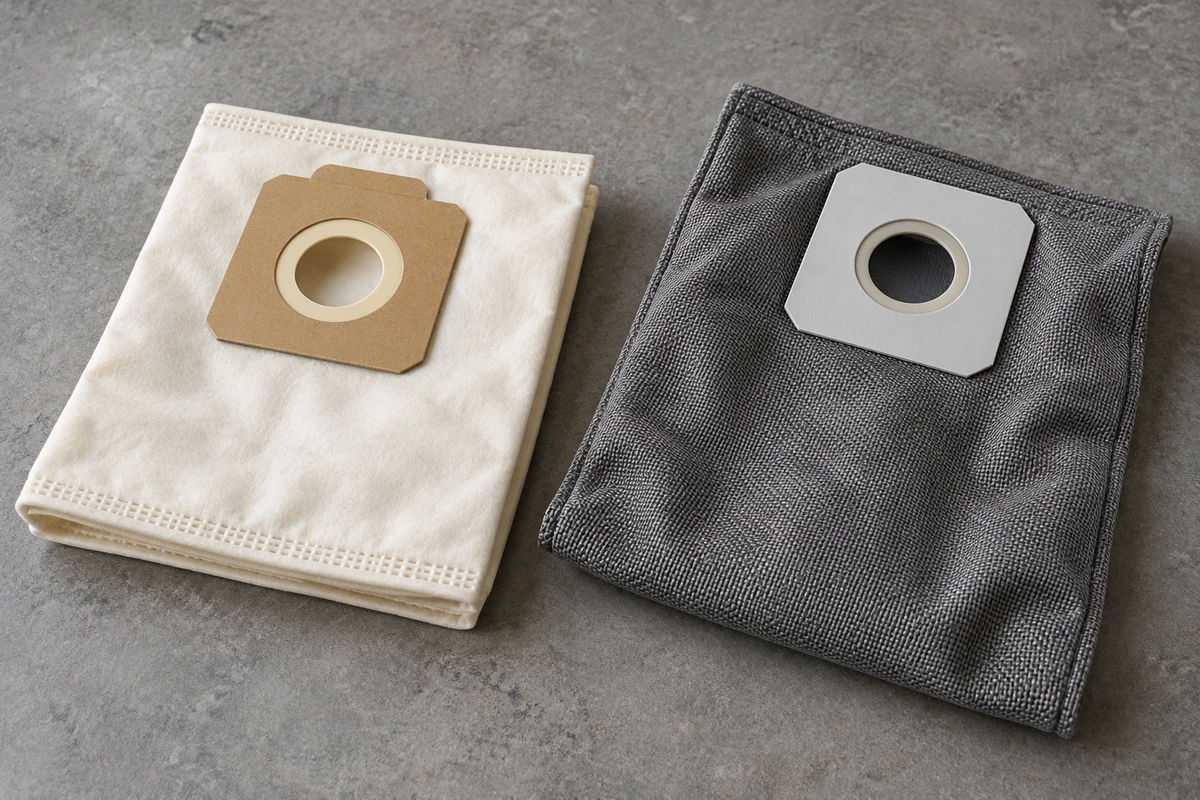
Read article: CNC Extractor Bags: Compare Reuse Only Within the Stated Limits → AI-generated editorial illustration Match the machine’s real trial activities and sales-contract condition to a reviewed customs procedure, with return and retention decided separately.
Read article: Define the Import Purpose Before a CNC Acceptance Trial in Great Britain → AI-generated editorial illustration Connect unopened grease to its applicable delivery date and storage history before relying on it to cover a later CNC consumables requirement.
Read article: Check the Usable Stock Window Before Reordering CNC Grease → AI-generated editorial illustration Connect each required protective function to the installed CNC configuration and qualified findings, rather than accepting enclosure photographs as functional proof.
Read article: Keep CNC Guarding Acceptance Separate from Appearance → AI-generated editorial illustration Use THK’s stated end-plate supply boundary to distinguish a component-only request from an assembly assessment, repair inquiry or reviewed replacement proposal.
Read article: Check Whether a Damaged Guide End Plate Is an Orderable Spare → AI-generated editorial illustration Separate replacement inserts, cutter complements and retained bodies before comparing an insert-only offer with a complete surfacing tool.
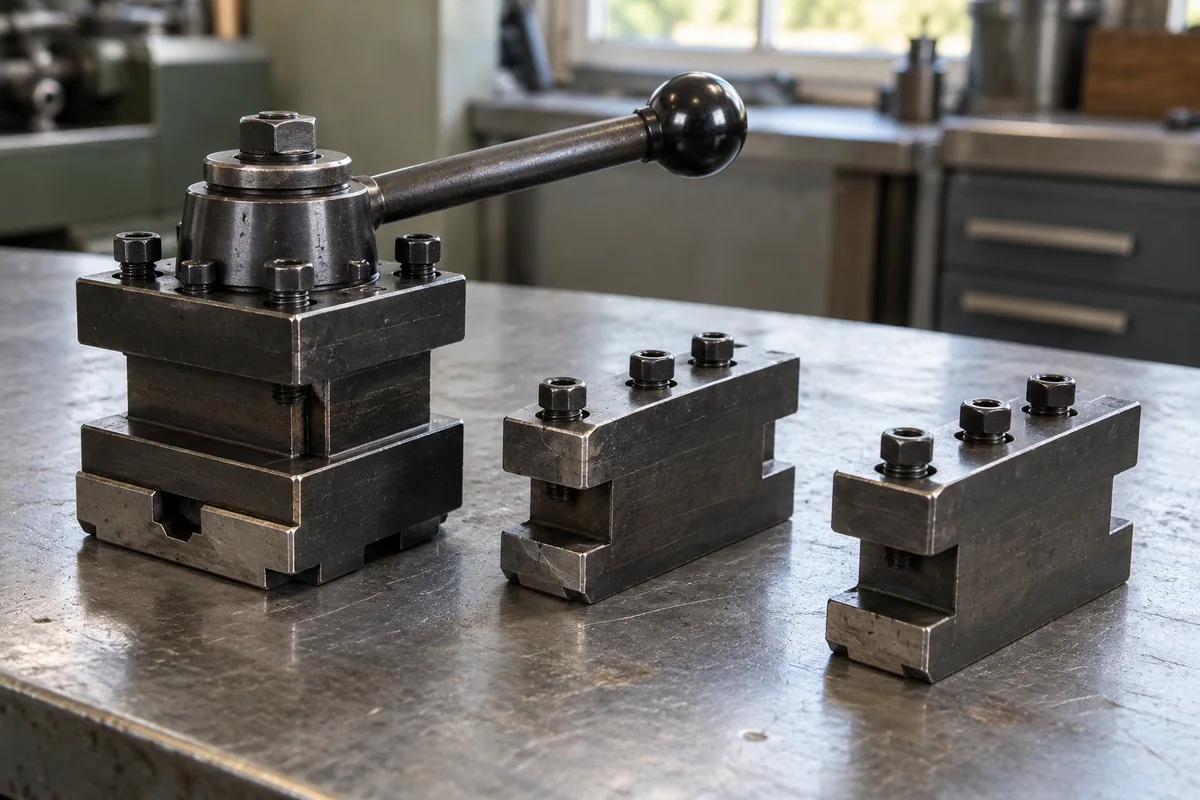
Read article: Reorder CNC Surfacing Inserts or a Complete Cutter? → AI-generated editorial illustration Check the machine mounting interface, holder geometry and documented tool-position range before buying a quick-change lathe set.
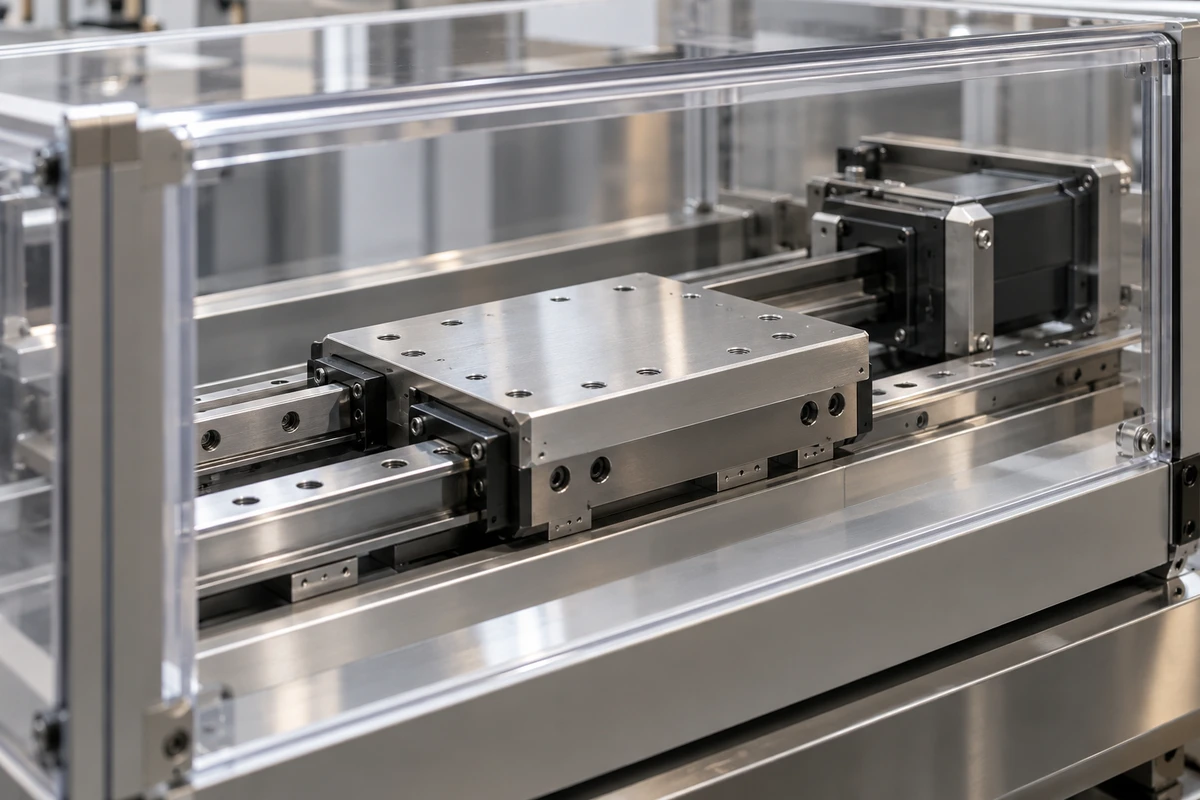
Read article: Check Toolpost and Holder Height Before Buying a Set → AI-generated editorial illustration A complete rail-and-block set record can still omit the builder’s installed reference arrangement. Preserve the datum role, drawing view and documented exceptions.
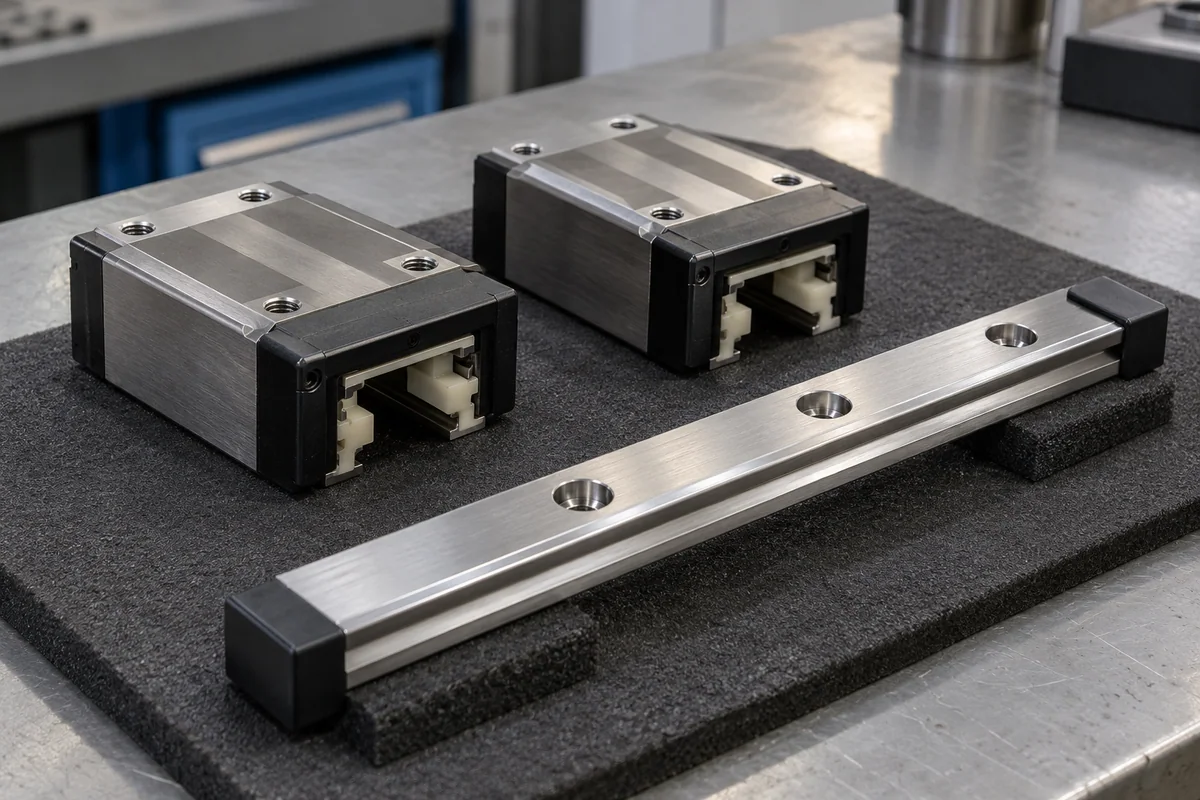
Read article: Carry the Installed Linear-Guide Datum Map into the CNC Handover → AI-generated editorial illustration Resolve the actual guide family and interchangeability policy before choosing a replacement block alone or a documented rail-and-block assembly.
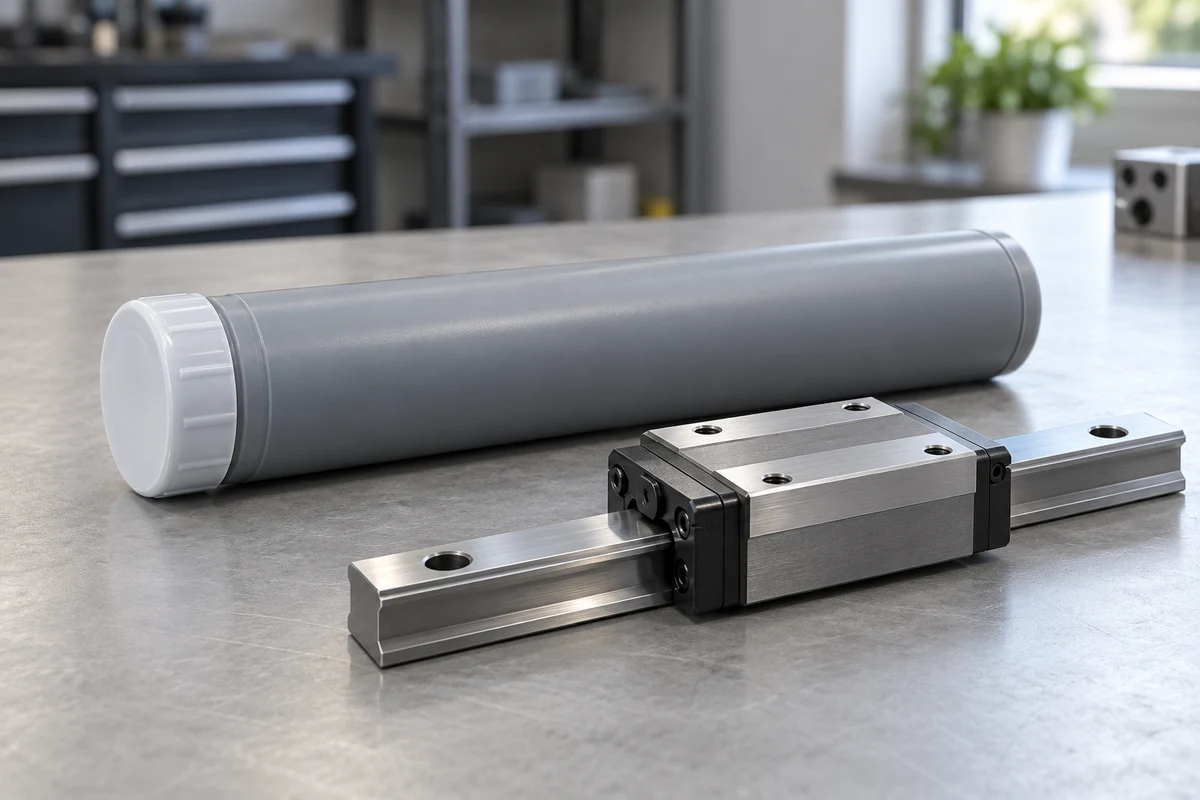
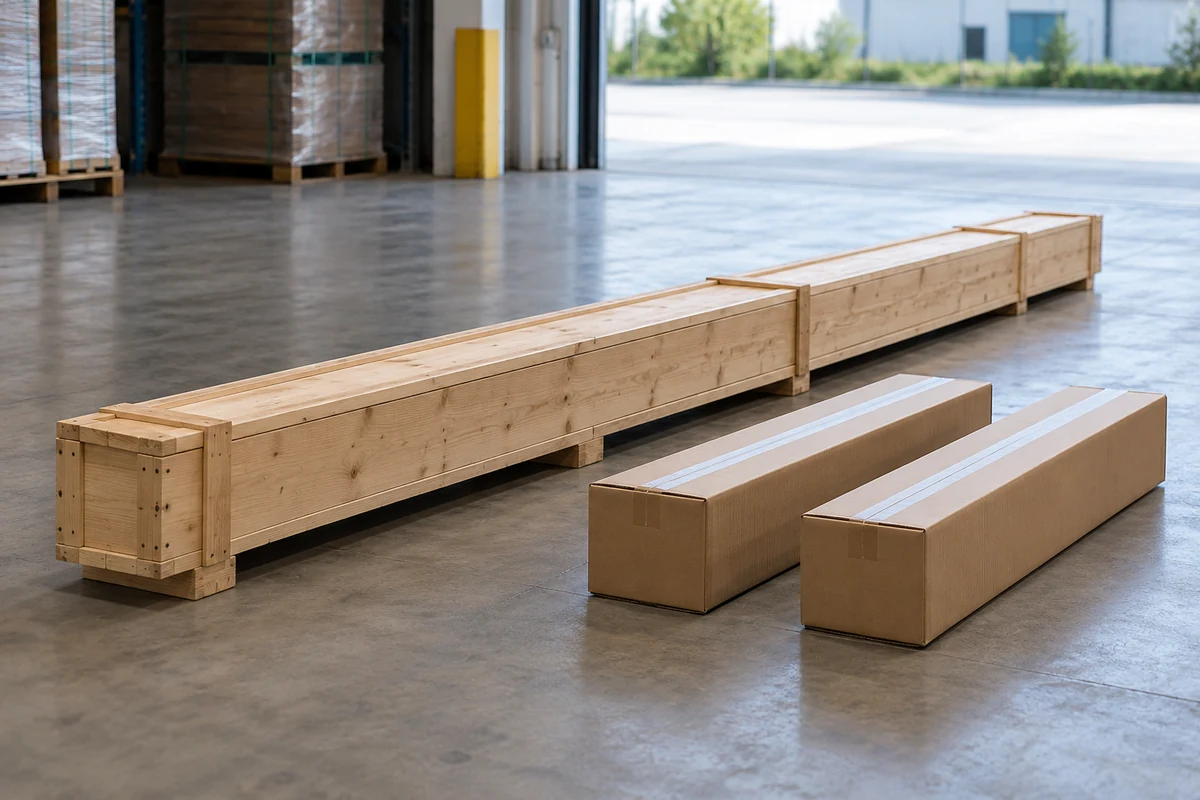
Read article: Decide Whether to Quote a Rail Block Alone or a Matched Set → AI-generated editorial illustration Compare an approved one-piece rail with a maker-defined jointed alternative only after its complete supply and technical review are clear.
Read article: Long CNC Linear Rails: Compare Freight Without Assuming They Can Be Cut → AI-generated editorial illustration Agree what stays installed, what arrives separately and who owns the resulting destination work before a CNC packing proposal changes assembly scope.
Read article: CNC Machine Packing: Freeze the As-Shipped Assembly State → AI-generated editorial illustration Replace an unexplained dry-machine claim with scoped provider records and maker instructions before approving the affected CNC packing proposal.
Read article: CNC Packout: Resolve the Machine’s Documented Fluid State → AI-generated editorial illustration Preserve manufacturer-defined rail and block associations when reviewing a consolidated CNC packout, with clear records for every approved set.
Read article: Keep Matched CNC Precision Components Together in Packout → AI-generated editorial illustration Document the spindle, chuck, collet and liner path before comparing mini lathe offers for through-stock work.
Read article: Ask About the Complete Bar Path, Not Only Spindle Bore → AI-generated editorial illustration Check whether a CNC noise report uses the agreed acoustic quantity, operating state and auxiliary-equipment scope before relying on its acceptance conclusion.
Read article: Check the Conditions Behind a CNC Noise-Acceptance Report → AI-generated editorial illustration Confirm the transport document, authorized recipient and carrier release status before committing collection and CNC workshop delivery.
Read article: Confirm the Ocean Document Release Path Before Booking CNC Delivery → AI-generated editorial illustration Keep a torque motor or separate component linked to the package evidence and carrier response that support its air-freight quote.
Read article: Shipping CNC Torque Motors by Air: Check the Actual Packed Configuration → AI-generated editorial illustration For an identified THK LM Guide QZ lubricator, resolve the replacement item, quoted contents and service scope before treating oil as replenishment stock.
Read article: Define the Replacement Unit Before Buying Oil for a QZ Lubricator → AI-generated editorial illustration Review a spare-belt consolidation proposal against the exact maker’s permitted shape and intended storage state before approving a smaller box.
Read article: CNC Spare Belts: Keep Packaging Geometry Under Review → AI-generated editorial illustration Read rotary-axis acceptance evidence against the purchased positions, approach directions and fixture conditions before releasing an indexing requirement.
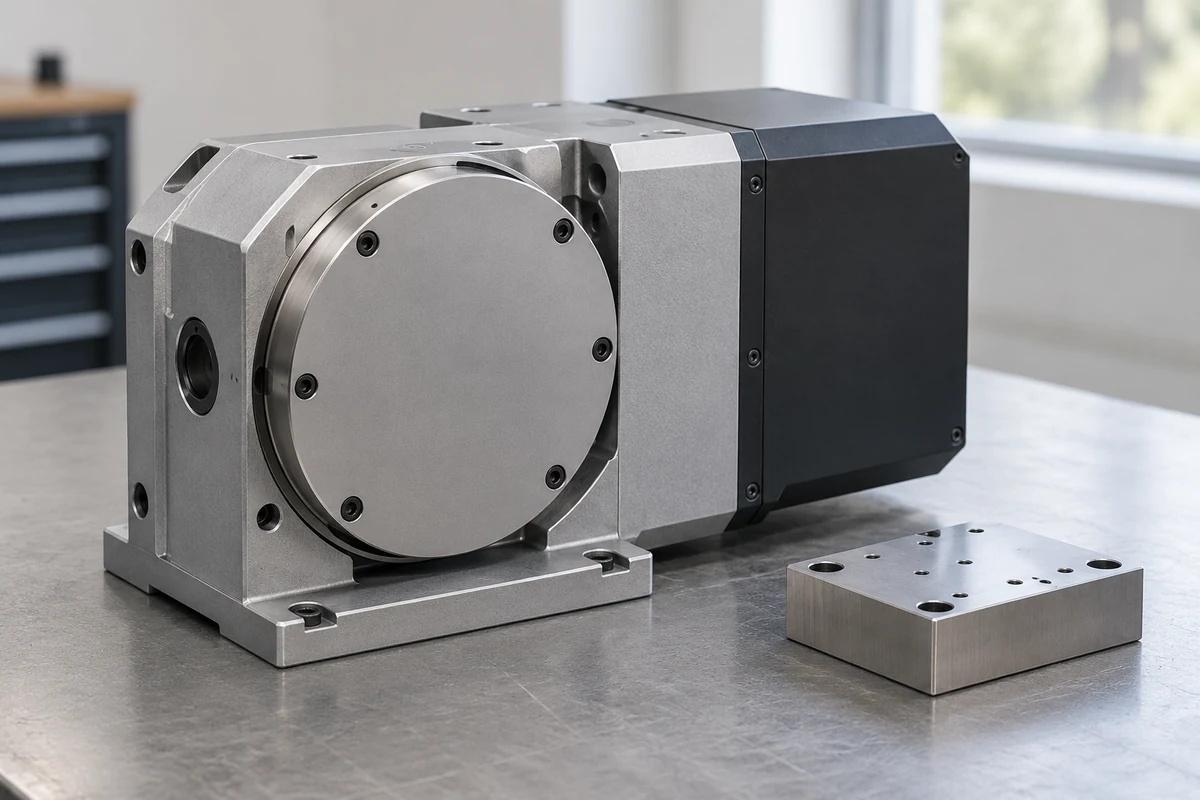
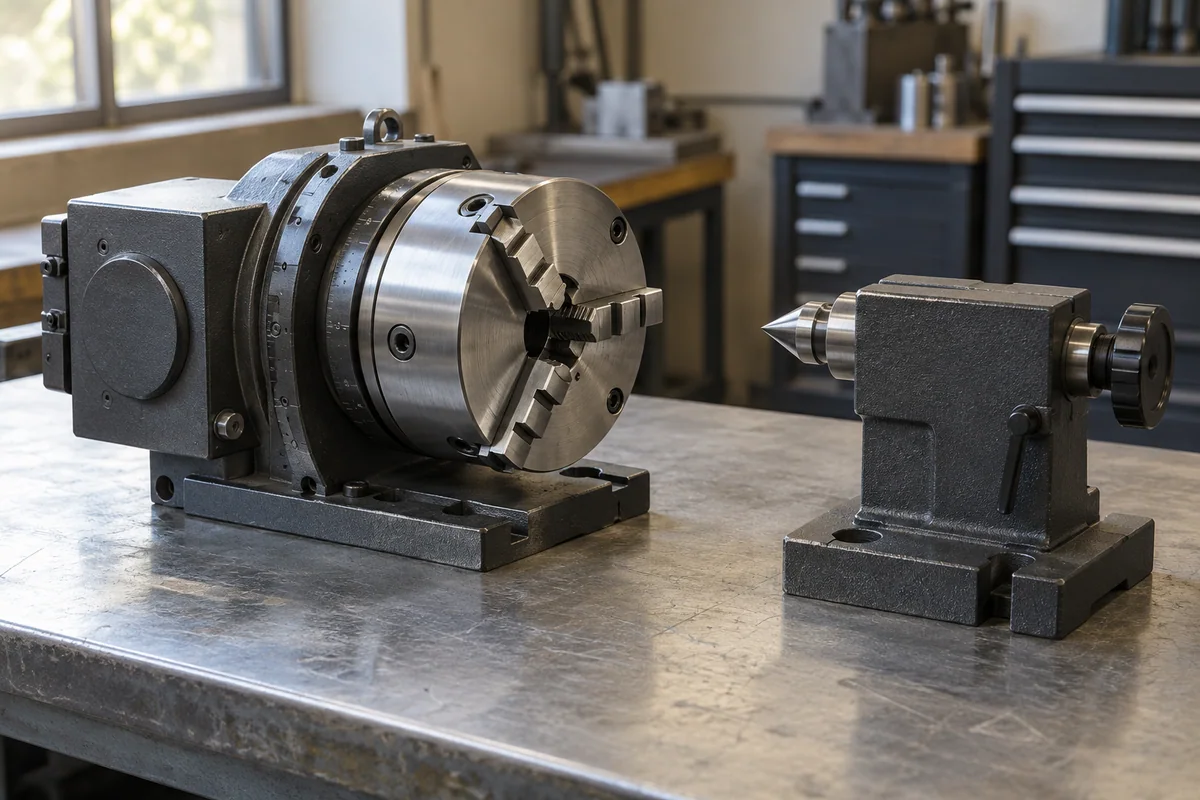
Read article: Check the Scope of a Rotary Axis Acceptance Report → AI-generated editorial illustration Separate indexed positioning from coordinated rotary motion, then ask who verifies the rotary, control and software combination for your job.
Read article: Specify Indexed Faces or Coordinated Rotary Motion → AI-generated editorial illustration Use the confirmed service requirement to compare model-specific two-brush packs, qualified service and a complete-router alternative.
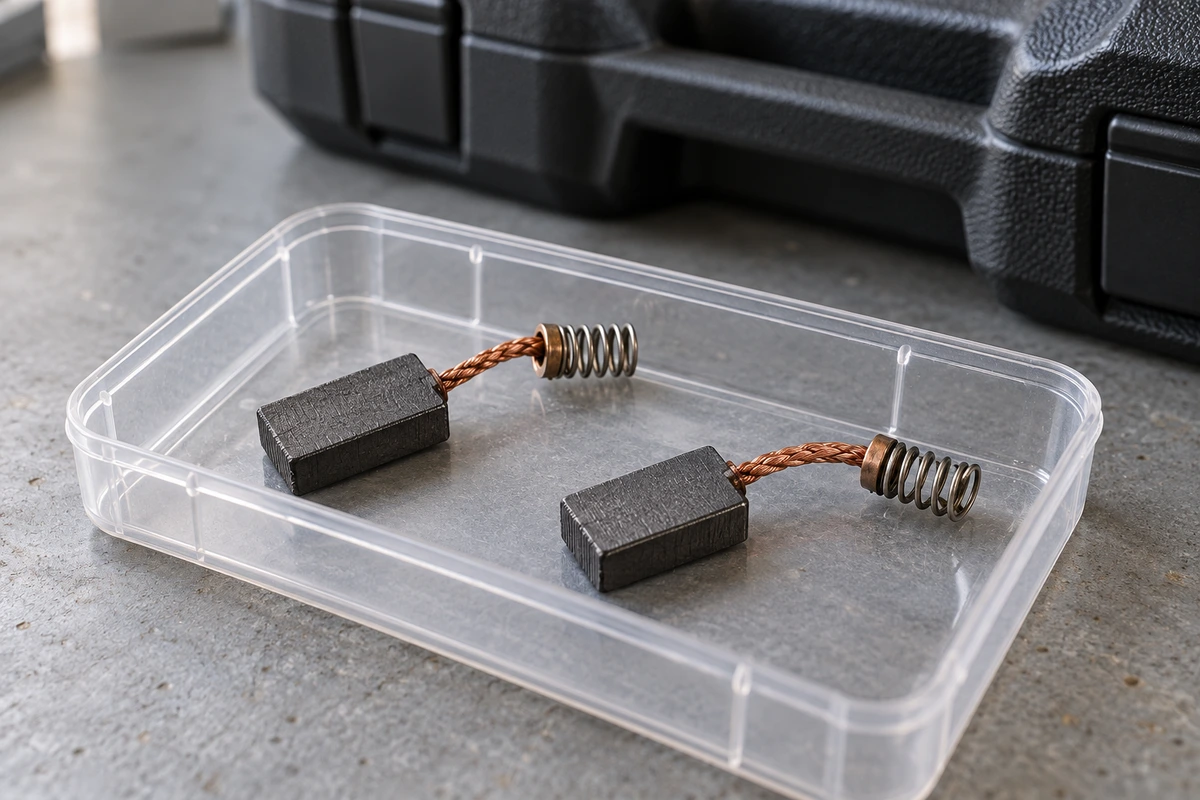
Read article: Reorder Router Carbon Brushes Without Buying a Whole Router → AI-generated editorial illustration Compare the replaceable sacrificial layer with a prepared-board offer, accounting for actual pack contents, hardware and surplus boards.
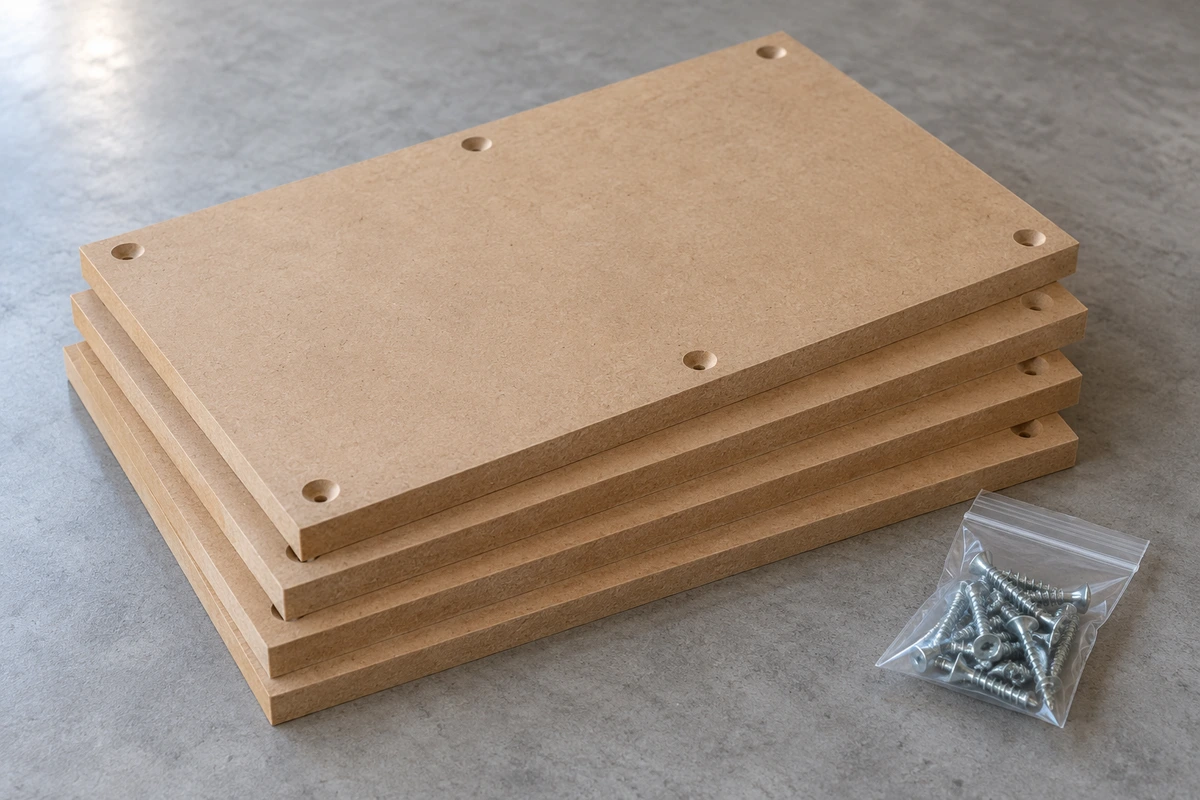
Read article: CNC Wasteboard Reorders: Compare Prepared Boards and Packs → AI-generated editorial illustration Separate blank soft-jaw sets from job-machined jaws, then compare the complete usable set and any separately quoted preparation.
Read article: Reorder Soft-Jaw Blanks by Complete Set and Job Need → AI-generated editorial illustration Match a LinuxCNC software-stepping latency report to the delivered computer, software environment and reported conditions before qualified review.
Read article: Check the Computer Evidence Supplied with a Software-Stepping CNC → AI-generated editorial illustration Match the final packed CNC envelope and declared special-equipment configuration to the carrier acceptance before approving dispatch.
Read article: Get Special-Cargo Acceptance for the Final CNC Shipping Envelope → AI-generated editorial illustration Keep access to the required individual bearing records visible in a relabeling decision, with report substitution conditional on availability and buyer acceptance.
Read article: Preserve Bearing Package-Code Access When Kitting Spindle Spares → AI-generated editorial illustration A warm-up resource is not automatically a replacement-spindle completion record. Identify the event-specific obligations and the evidence that answers each one.
Read article: CNC Spindle Run-In Handover: Separate Installation Evidence from Warm-Up → AI-generated editorial illustration Compare an exchange spindle with an outright purchase using both freight legs, the exact core obligation and conditional credit terms.
Read article: CNC Spindle Exchange Cost: Include the Core’s Return Journey → AI-generated editorial illustration Request the applicable curve, speed and duty conditions before comparing spindle wattage, and keep application approval separate from documentation completeness.
Read article: Ask What a Spindle Rating Covers Before Comparing Watts → AI-generated editorial illustration Define the mechanical, electrical and cooling interfaces of a proposed spindle replacement before a nominal clamp-diameter match becomes an approval.
Read article: Quote a Spindle Replacement Beyond Its Clamp Diameter → AI-generated editorial illustration Review spindle closures and packing contacts separately before accepting a changed insert, carton or accessory arrangement.
Read article: Spindle Packaging: Separate Opening Protection and Support → AI-generated editorial illustration Identify the spindle’s supplied case and any separate accessory case before consolidation removes packaging that may be needed for storage or later service.
Read article: Keep the Spindle’s Original Case in the Delivery Scope → AI-generated editorial illustration Check the spindle, duty, cooling arrangement, temperature channels and time record before treating a thermal report as acceptance evidence.
Read article: Read a Spindle Temperature Test with Its Conditions → AI-generated editorial illustration Match a machined test-piece texture result to its required parameter, profile or areal basis, and evaluation conditions before accepting it.
Read article: Read a CNC Test-Piece Surface-Texture Report on the Right Basis → AI-generated editorial illustration Map each machined test-piece requirement to its sample, drawing revision, datum basis and measured result before using the report for acceptance.
Read article: Read a CNC Test-Piece Report by Datum and Feature → AI-generated editorial illustration Connect supplied tool data to each physical assembly while preserving controller identifiers, location meaning, capture state and measurement provenance.
Read article: Reconcile Tool Identity, Pocket Location and Offset Data at Handover → AI-generated editorial illustration Check assembly coverage, balancing basis and residual-unbalance results before treating a holder certificate as acceptance of the supplied tool system.
Read article: Check What a CNC Toolholder Balance Report Covers → AI-generated editorial illustration Reconcile complimentary touch-up paint with the contents used for a CNC spare-parts freight quote, then confirm inclusion or actual omission.
Read article: CNC Spare-Parts Shipping: Disclose Touch-Up Paint Before Accepting the Quote → AI-generated editorial illustration Map each CNC learning outcome to simulation, control-panel practice or physical machine activity before comparing education offers.
Read article: Turn a CNC Teaching Syllabus into a Machine Purchase Brief → AI-generated editorial illustration Resolve the same-unit repair or exchange branch, preserve spindle identity and obtain procedure-specific advice before overseas collection.
Read article: Keep a UK Spindle Repair Return Traceable Before Export → AI-generated editorial illustration Compare a used lathe’s dated disclosures with arrival evidence, keeping cosmetic acceptance, unexplained bed-area marks and repair history separate.
Read article: Reconcile a Used Lathe's Disclosed Condition with Arrival Evidence → AI-generated editorial illustration Use the proposed policy and broker’s response to identify hidden-failure, used-part and matched-set exposure before budgeting cargo cover.
Read article: Used CNC Shipping Insurance: Ask About Hidden Failure and Replacement Limits → AI-generated editorial illustration Check seller, machine-bundle and upgrade history before valuing VCarve or Aspire in a used-router offer, then obtain a transaction-specific publisher answer.
Read article: Buying a Used CNC Router with VCarve or Aspire: Verify the Licence Transfer → AI-generated editorial illustration Compare approved sealing-cord demand with available segment lengths and actual selling terms before buying more material or a complete fixture.
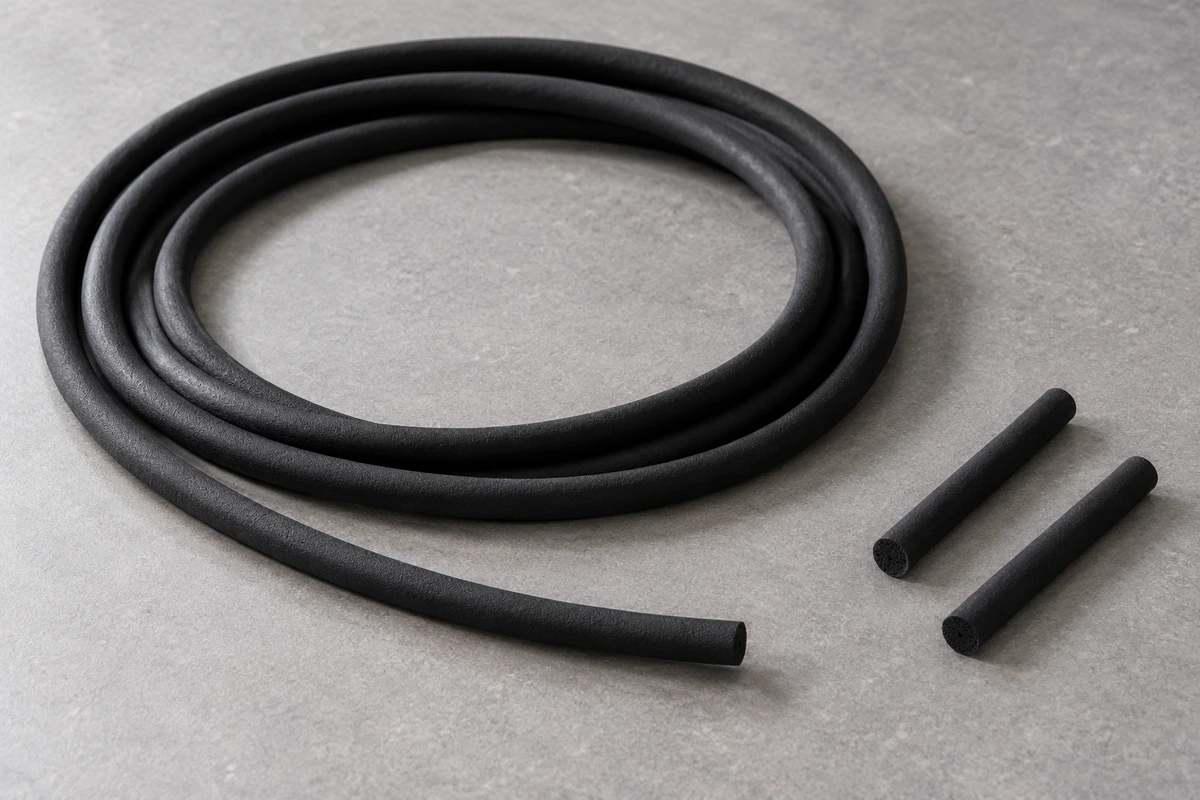
Read article: Reorder Vacuum Gasket Cord by Required Continuous Length → AI-generated editorial illustration Separate vacuum-block family, plate position and article code before deciding which spare bottom plates cover each installation’s demand.
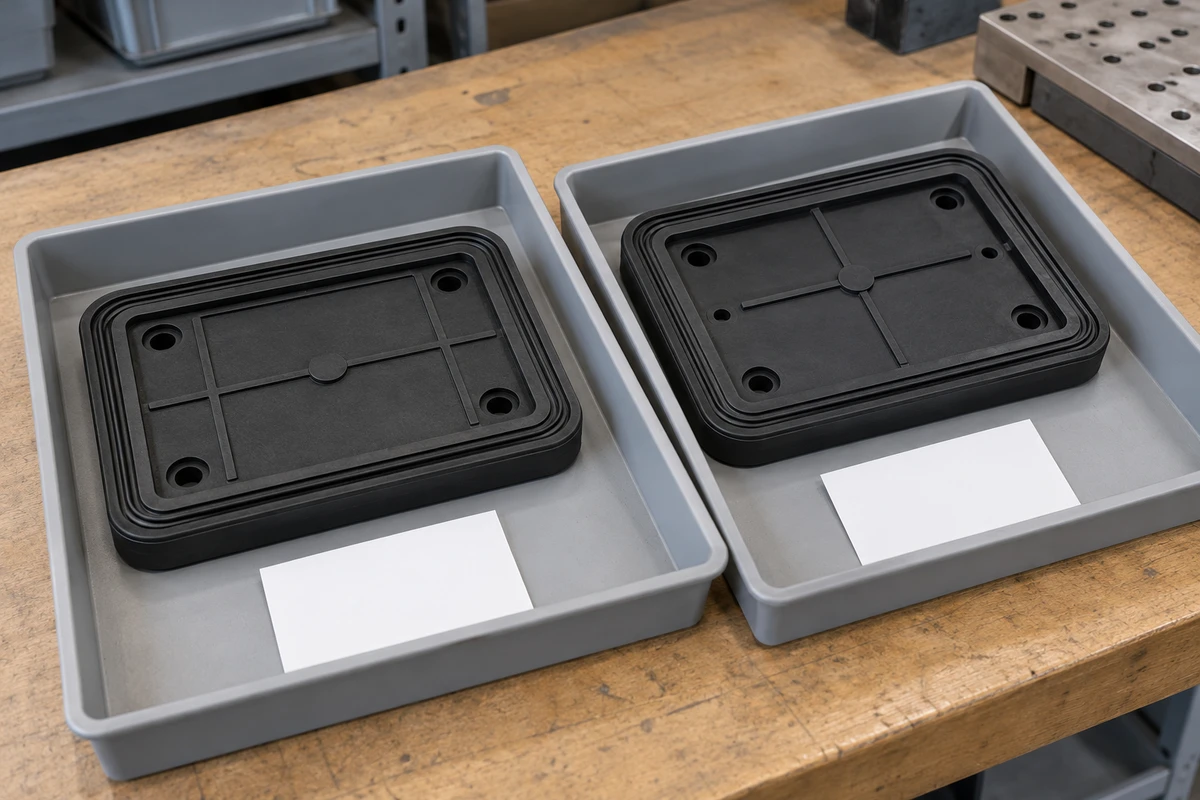
Read article: Reordering CNC Vacuum Pod Plates: Match the System, Not Just the Size → AI-generated editorial illustration Low displayed hours do not settle the service history of a used clamping pump. Keep each obligation’s actual scope and baseline separate through the transfer.
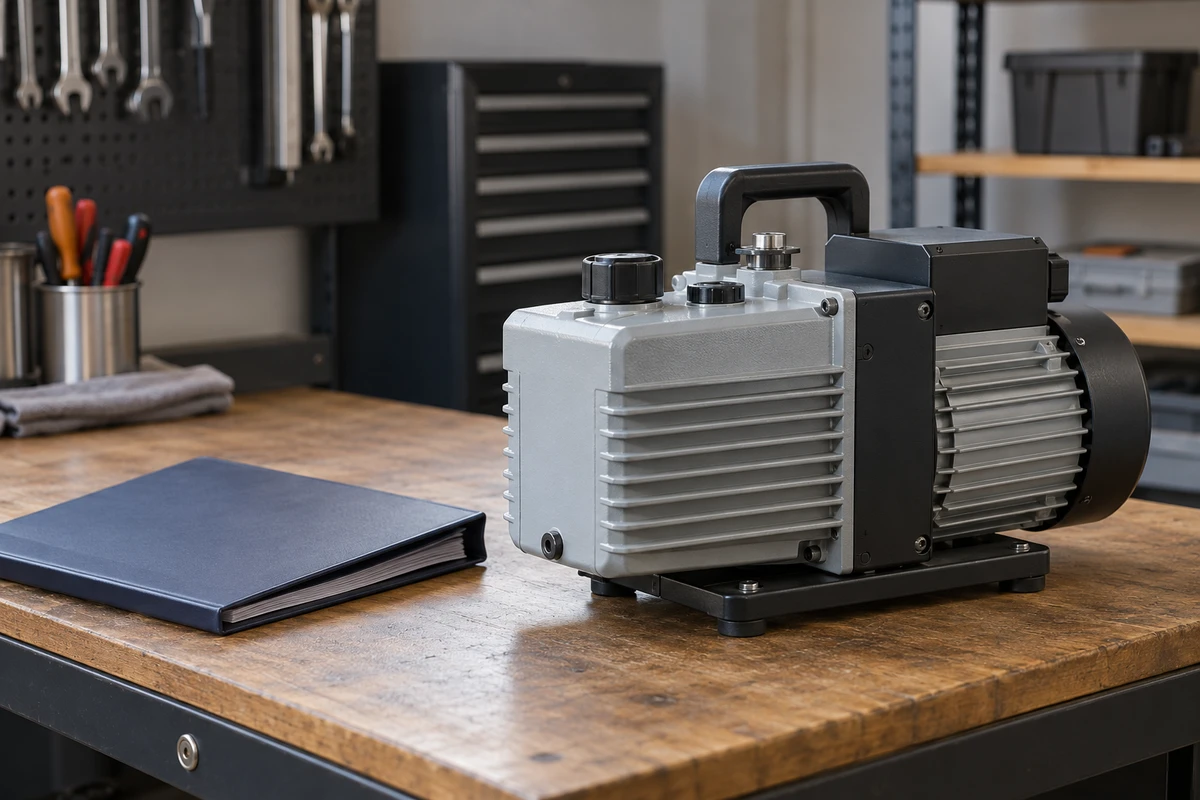
Read article: Preserve the Hours and Calendar Basis in CNC Vacuum-Pump Handover → AI-generated editorial illustration Connect the used pump’s actual process history, qualified declaration and receiving facility’s response before committing collection costs.
Read article: Returning a CNC Vacuum Pump: Confirm Service Acceptance Before Freight → AI-generated editorial illustration Trace configuration references to their delivered artifacts, identify missing shared files and keep dependency completeness separate from machine readiness.
Read article: Close the External-File Gaps in a CNC Controller Handover → AI-generated editorial illustration Preserve the existing THK rail-hole cap family and exact rail identity before combining replacement quantities or accepting a C-to-CV proposal.
Read article: Keep Rail-Hole Cap Families Separate in a Repeat Order → AI-generated editorial illustration Connect the actual crate, base and added dunnage to attributable provider evidence before approving a US-bound CNC shipment.
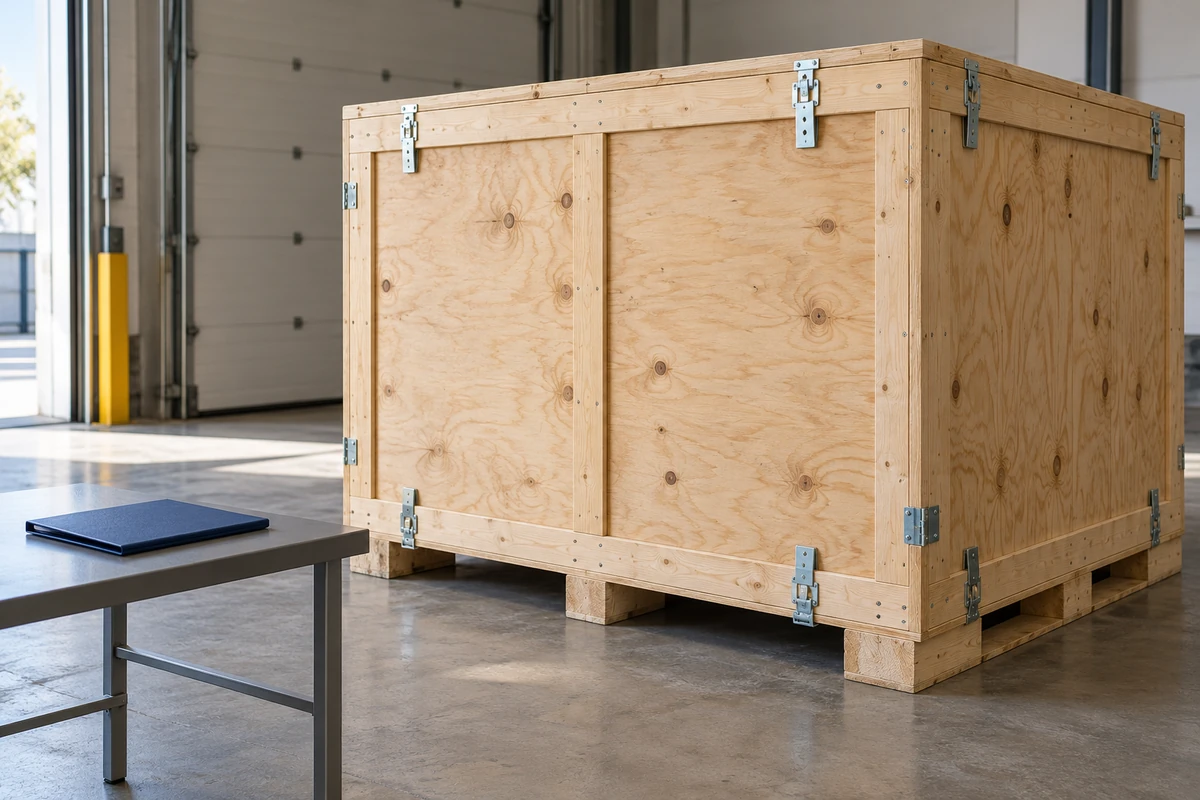
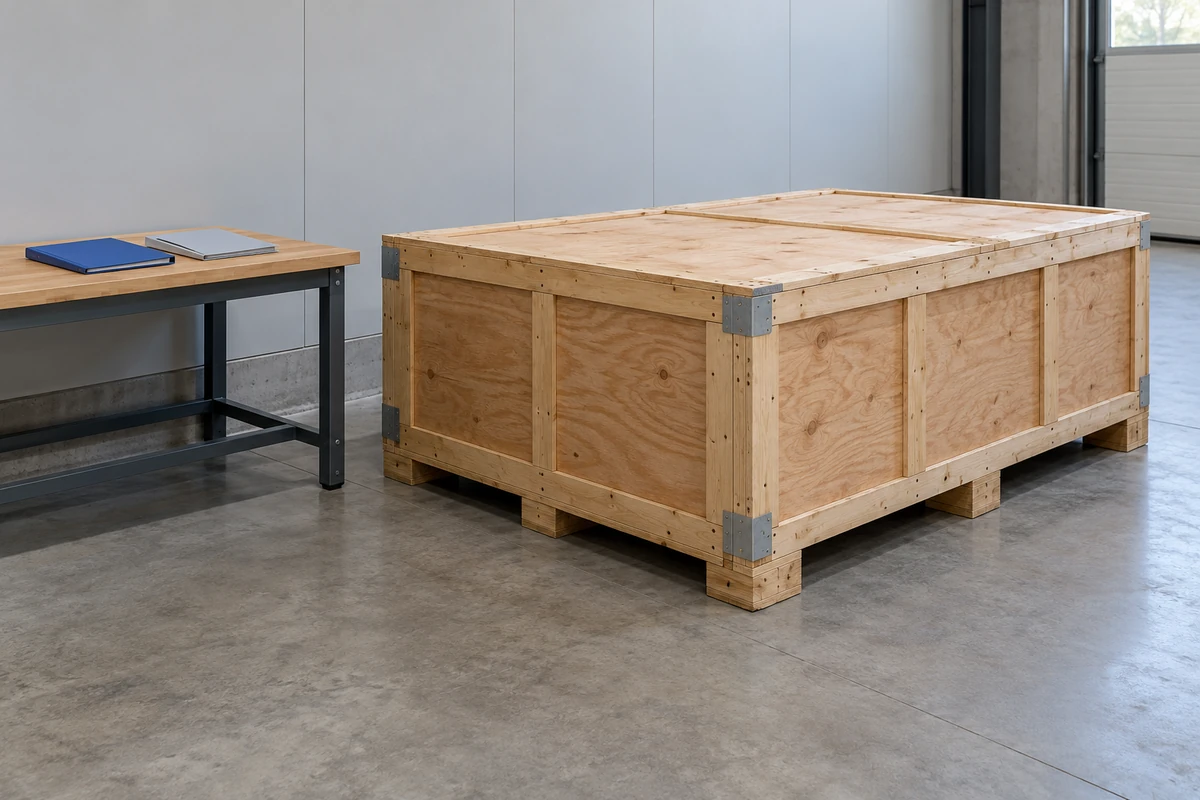
Read article: Check US Wood-Packaging Evidence for the Final CNC Crate → AI-generated editorial illustration Preserve a delivered linear guide’s observed condition and obtain manufacturer-specific advice when packaging, contamination or surface marks raise a concern.
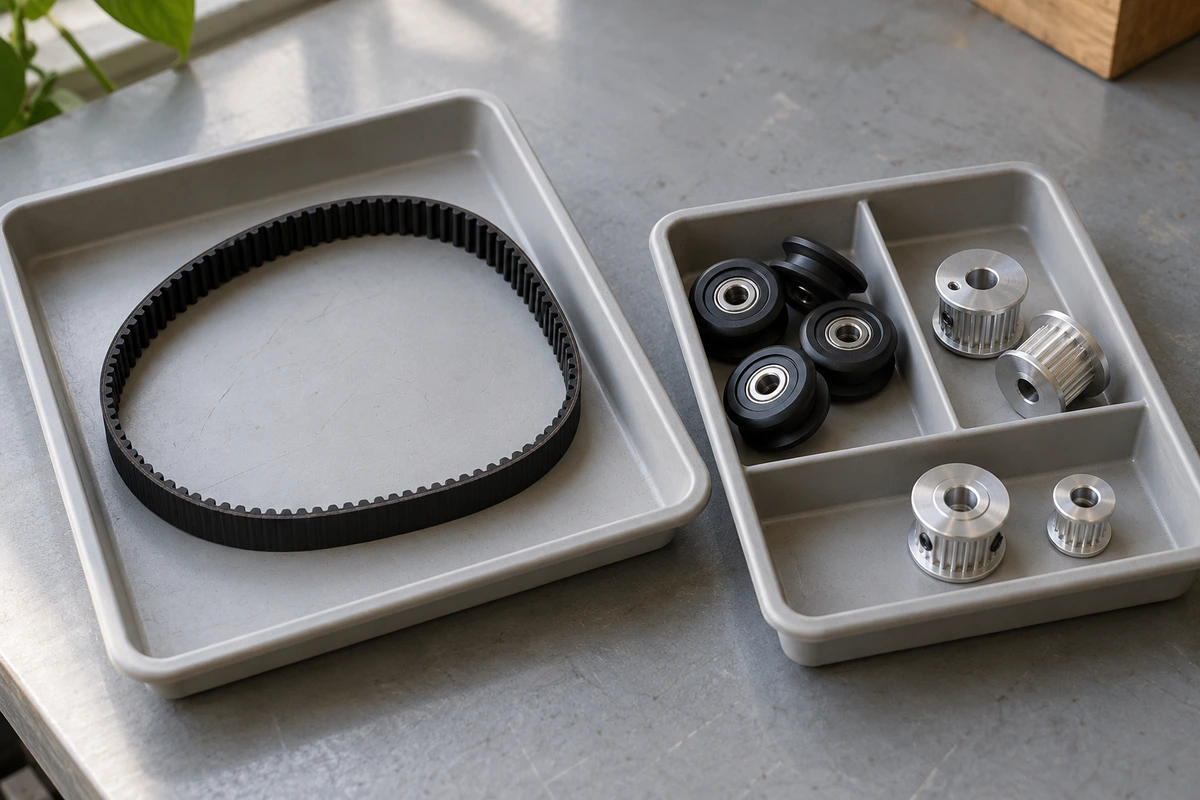
Read article: Handle Linear-Guide Preservation Concerns at Receipt → AI-generated editorial illustration Compare the needed belts with the exact machine kit contents, resolve the Z-belt listing conflict, and keep surplus components out of claimed savings.
Read article: CNC Router Belts: Belt-Only Reorder or Maintenance Kit? → AI-generated editorial illustration Preserve a new cutter’s as-received condition, distinguish designed edge features from suspected damage, and ask for an attributable technical disposition.
Read article: Record Cutter Edge Damage Before a New Tool Is Used → AI-generated editorial illustration Check the proposed geometry, coating and accepted returned-tool identity before service candidates replace a new-cutter purchasing requirement.
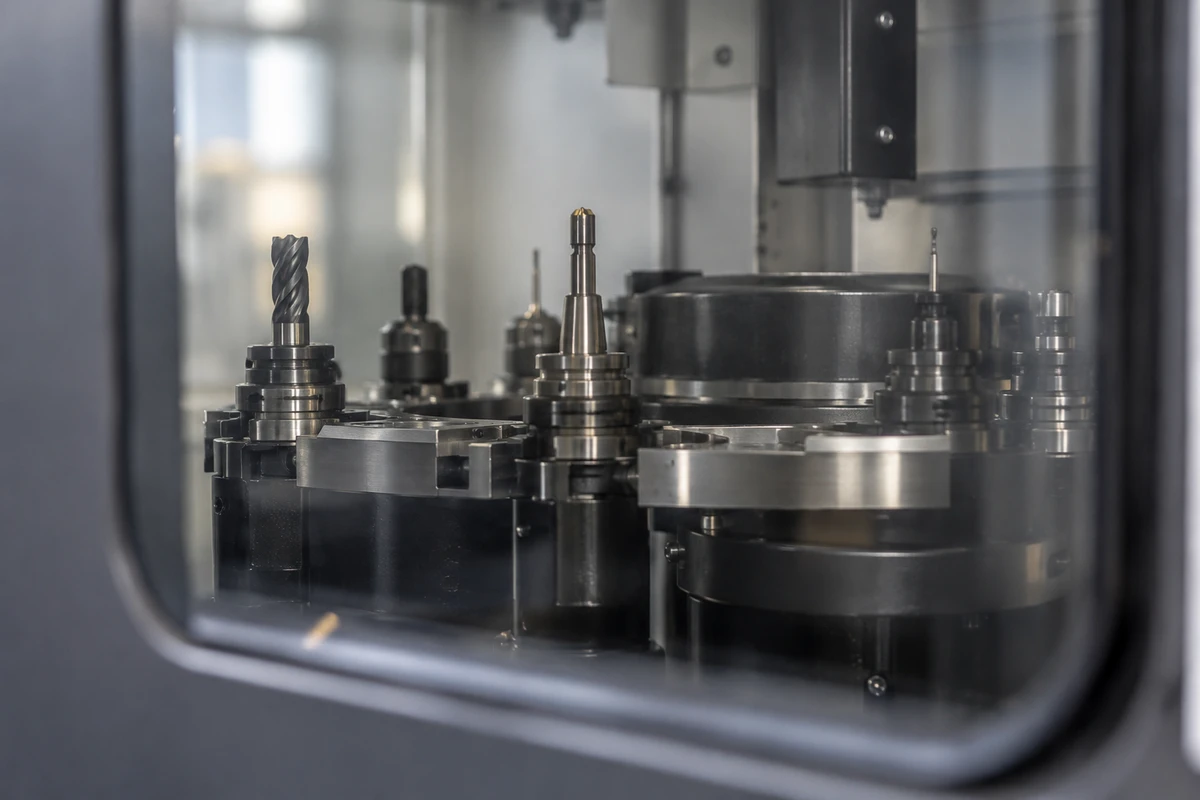
Read article: Can a Reconditioned Cutter Replenish the Original Tool Stock? → AI-generated editorial illustration An empty magazine position can be a deliberate reservation. Reconcile the approved tooling plan, ordered assemblies and provider-declared pocket status before calling it a shortage.
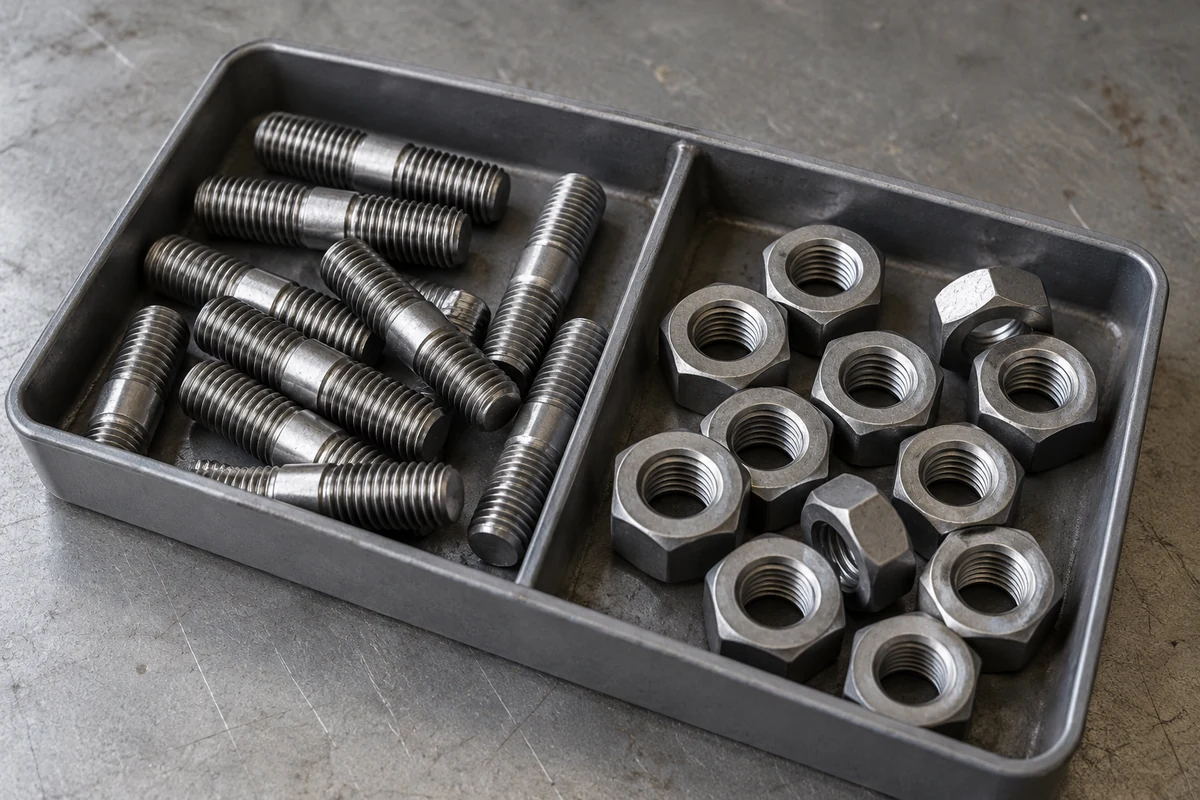
Read article: Explain Reserved Empty ATC Pockets in the CNC Tooling Handover → AI-generated editorial illustration Match delivered clamp studs and nuts to the specified thread, inspection method, gauge records and actual coverage before accepting a kit-wide pass.
Read article: Review Thread Inspection Evidence for a Delivered Clamp Kit → AI-generated editorial illustration Identify the spindle, holder, collet, artefact and measurement location behind a runout result before comparing it with an agreed requirement.
Read article: Identify What a CNC Runout Report Actually Measured → AI-generated editorial illustration Saved configurations can leave the comparison evidence behind. Request an attributable SoMove output, its project pair and qualified disposition.
Read article: Keep the Drive Comparison Report with the SoMove Handover → AI-generated editorial illustration Request the tested post, software versions, controller configuration and buyer-owned NC evidence before ordering a CNC.
Read article: Buying a CNC from China: verify the controller and CAM handover → AI-generated editorial illustration Use a coordinate worksheet to check the complete part, fixture and toolpath before buying a desktop CNC from China.
Read article: Will the part fit? Check CNC travel with the fixture and tools →