
Wholesale for Europe (EU)
Wholesale Desktop CNC Machines for Europe: Importing From China Into the EU
European buyers who order desktop CNC machines in small wholesale lots include workshops, schools, maker spaces, small manufacturers and resellers who sell across several member states. This page covers how a mixed order from Chinese sellers enters the EU, how import VAT and duty are built up, and which categories on this site suit buyers there, such as benchtop mills, linear motion parts and rotary axes.
Importing into the EU means choosing a member state of clearance, because import VAT is charged there at that country's rate, while duty follows the EU customs tariff (TARIC) by classification and origin. Customs value includes international freight and insurance up to the EU border. A commercial importer needs an EORI number. Rules and rates change, so confirm them with a customs broker before ordering.
What to know before you import desktop CNC machines into Europe (EU)
Import VAT is set by the country of clearance
Import VAT is charged in the member state where goods are cleared, and rates differ by country. Because goods can be cleared in one member state and moved on, the clearance country affects both the VAT cost and the paperwork. Ask your broker to compare clearance options before you choose the gateway.
TARIC classification and customs value
The EU customs tariff (TARIC) sets duty by classification and origin, and customs value includes international freight and insurance up to the EU border. A heavy machine with high freight therefore has a larger duty base. Have the broker classify each line, such as spindle, router, controller or collet.
EORI for commercial importers
A commercial importer needs an EORI number. Obtain it before shipping, and give the broker the commercial invoice, packing list and product descriptions. If you are a reseller based in a different country from the clearance point, ask the broker how the importer details should be set up.
CE marking and an EU economic operator
Many consumer products need CE marking and, under the EU General Product Safety Regulation, an economic operator established in the EU, such as the importer or an authorised representative, must be identified for the product. For machines, spindles and controllers, check whether marking applies and who holds that role before you resell.
Material rules for plastics and coatings
Chemical and material rules such as REACH can matter for plastics and coated parts. For CNC items, check whether anything you resell includes plastics, coatings or finishes that these rules cover, and ask the seller for material information. Keep it on file, and confirm with a broker because rules change.
Customs rules, rates and product requirements change. Treat this page as orientation and confirm the current position for your exact product with a licensed customs broker or the national customs authority before you order.
Routes and timing for Europe (EU)
Typical EU gateways are Rotterdam, Hamburg and Antwerp, with sea time roughly 4 to 6 weeks door to door. Goods can be cleared in one member state and moved on, which suits a reseller serving several countries. For a small mixed shipment, a consolidated load keeps per-unit port charges down, and the clearance country should be chosen with the broker based on VAT and the delivery destination.
A small wholesale plan for Europe (EU)
Pick a clearance country
Decide with a broker where the goods will be cleared and which EORI number is used. Compare import VAT and delivery routes, because clearance in one member state can be followed by onward movement.
Sample and document
Order one unit of each machine or part type, ask us to inspect it and photograph the data plate, and collect the seller's documents. Use them to check marking, the EU economic operator and material questions.
Consolidate the first lot
Ship a mixed lot from several sellers together to Rotterdam, Hamburg or Antwerp, and agree who files the declaration and arranges onward delivery before the goods leave China.
Listings buyers in Europe (EU) ask about
-
Benchtop mills and lathes
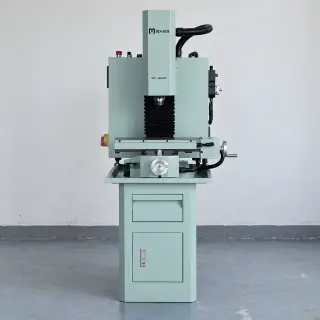
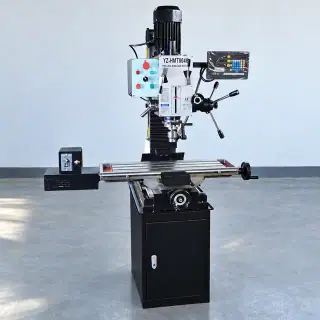
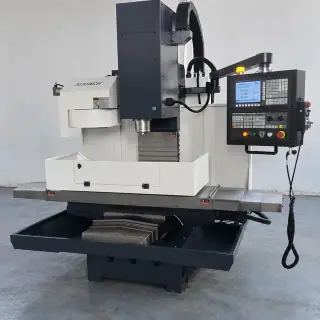
5 archived listings, observed $167–$773.
-
Linear motion
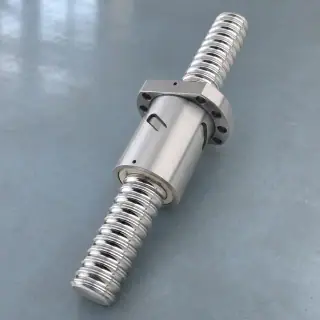
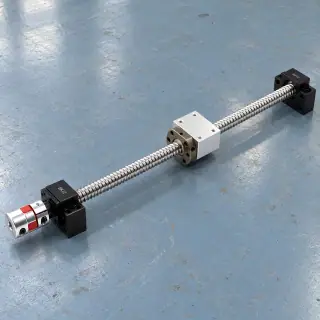
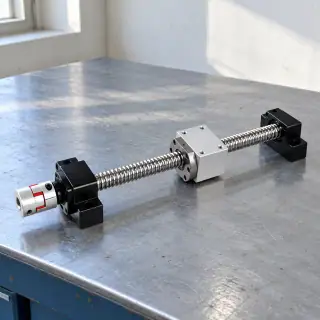
13 archived listings, observed $5.44–$30.61.
-
Rotary axes
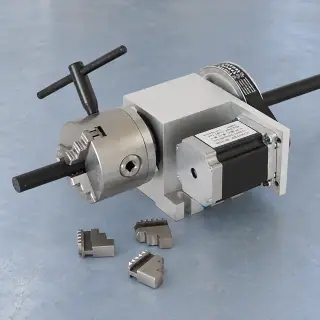
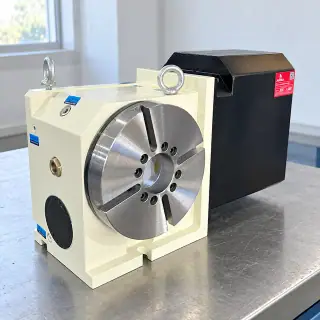
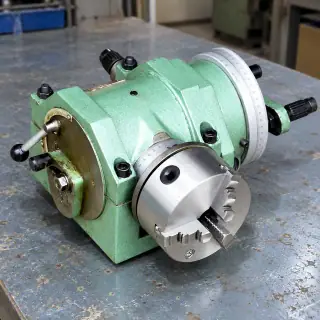
13 archived listings, observed $86.76–$6,813.
-
Spindles
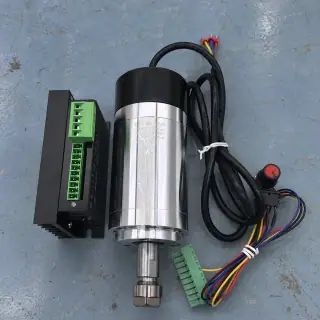
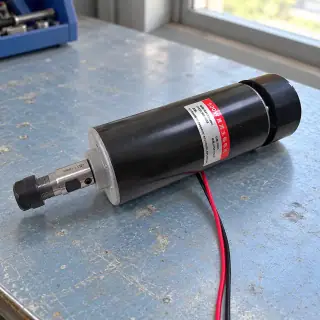
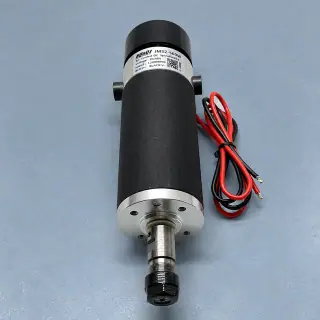
14 archived listings, observed $6.88–$154.
-
Controllers
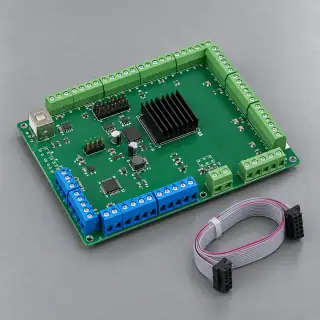
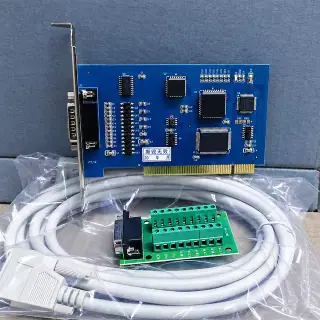
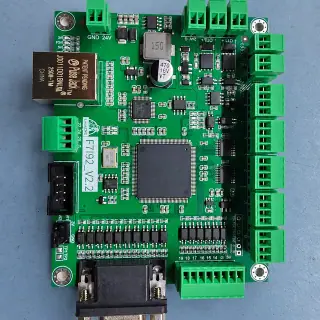
5 archived listings, observed $15.60–$84.52.
Wholesale desktop CNC machines for Europe (EU): questions
Which EU country should I clear CNC machines in?
The member state of clearance charges import VAT at its own rate, and rates differ, so the choice affects cost. Goods can be cleared in one state and moved on, so clear where it suits your VAT position and delivery plan. Ask your broker to compare routes via Rotterdam, Hamburg and Antwerp and the VAT in each country.
Do desktop CNC machines need CE marking to be sold in the EU?
CE marking is needed for many consumer products, and under the General Product Safety Regulation an economic operator established in the EU must be identified for the product. Whether a router, spindle or controller needs it depends on what it is and how you sell it. Ask a broker before ordering.
Can one shipment of CNC parts supply several EU countries?
Goods can be cleared in one member state and moved on, so a single consolidated shipment can supply several countries. Import VAT is charged where the goods are cleared, and rates differ by country. Ask your broker how onward movement and invoices should be handled before ordering.
Is REACH relevant to CNC parts and plastics?
REACH and similar chemical and material rules can matter for plastics, and some CNC accessories include plastic or coated parts. Ask the seller for material information on anything you intend to resell, and ask a broker which rules apply. Check again for each new product type.
Importing to another market?
Planning a first order for Europe (EU)? Tell us the items, the quantities and the delivery address and we return an itemised delivered price, with the sample-first option laid out.
Plan a small order