
Wholesale for Australia
Wholesale Desktop CNC Machines for Australia: Importing From China With GST
Australian buyers who import desktop CNC machines in small wholesale lots include workshops, schools, hobby suppliers and resellers who want to compare several machines and parts before a bigger order. This page covers how a mixed order from Chinese sellers reaches an Australian business, what GST and duty are charged on, and which categories on this site suit buyers there, such as spindles, linear motion parts and controllers.
Australia has a simple tax core and a few thresholds. GST is 10% on imports, charged on the customs value plus international freight, insurance and duty. Customs duty varies by product, with many general goods in a low band and some free, so the Working Tariff entry for each product matters. An import declaration is generally required when customs value is above A$1,000. Rules and rates change, so confirm them before ordering.
What to know before you import desktop CNC machines into Australia
GST is charged on a freight-inclusive base
GST at 10% applies to the value of the taxable importation, which is the customs value plus international freight, insurance and duty. The customs value itself excludes international freight. Because freight and duty both feed into GST, a heavy machine raises the tax as well as the shipping bill, so ask a broker for a full calculation.
Duty bands depend on the tariff entry
Duty rates vary by product: many general goods fall in a low band, some are free and some are higher. Use the Working Tariff to check the exact classification for a spindle, a router, a collet or a controller, because they may not share a rate. Ask a customs broker to confirm before ordering.
The A$1,000 declaration line
Above A$1,000 of customs value, an import declaration is generally required, so a single machine or a mixed first lot can cross that line. Ask a broker how the threshold applies to a consolidated shipment from several sellers, and what documents they need from us, such as the invoice and packing list.
ABN and GST credits
Claiming GST credits as a business needs an ABN. Without one, the GST paid on an import is simply a cost. Set up the ABN before your first order, and ask your accountant how credits work for a resale business so that the pricing you quote your own customers reflects the real cost.
Consumer law and mandatory standards
Australian Consumer Law and mandatory safety standards can apply, and some product types are banned. For machines, spindles, controllers and power supplies, check whether electrical or machine safety standards apply to the model you plan to sell, and ask the national authority or a broker. Keep seller documents and data-plate photos on file.
Customs rules, rates and product requirements change. Treat this page as orientation and confirm the current position for your exact product with a licensed customs broker or the national customs authority before you order.
Routes and timing for Australia
Typical Australian ports for sea freight are Sydney, Melbourne, Brisbane and Fremantle, with sea time roughly 3 to 5 weeks door to door. For a small mixed shipment, a consolidated LCL load keeps fixed charges per unit down, though the final leg to your premises may be quoted separately. Ask your forwarder which port suits your delivery address and whether the quote includes delivery.
A small wholesale plan for Australia
Check the Working Tariff early
Look up the tariff classification for each product line and confirm duty with a broker. Use our listing details to estimate GST and duty, and order one test unit of each machine or part.
Build a first mixed lot
Combine spindles, linear parts, controllers and cutters from several sellers into one purchase, watching total customs value against A$1,000, and ask for inspection photos before shipping.
Ship, declare and claim credits
Consolidate and ship by sea, have the declaration filed if required, pay GST and any duty, and keep every invoice and payment record so your ABN-registered business can claim GST credits.
Listings buyers in Australia ask about
-
Spindles
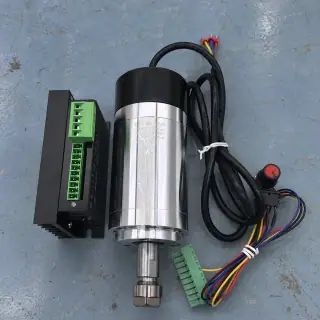
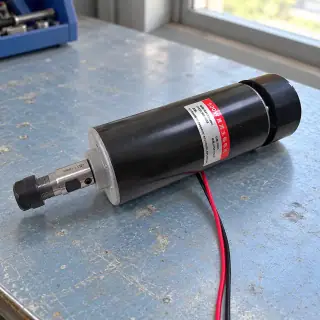
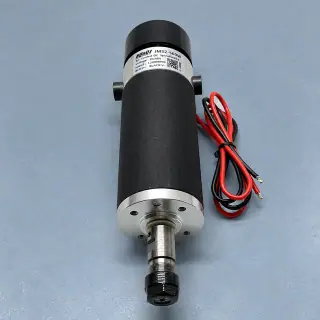
14 archived listings, observed $6.88–$154.
-
Linear motion
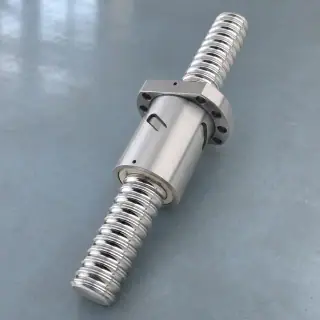
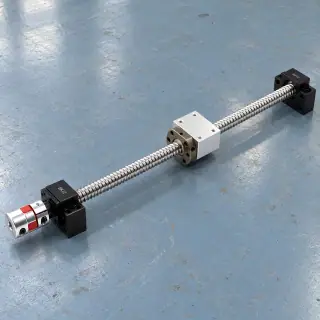
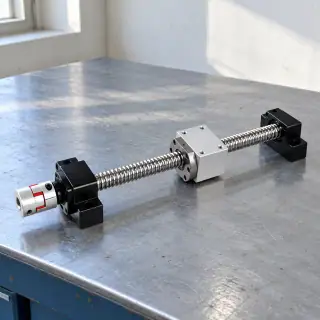
13 archived listings, observed $5.44–$30.61.
-
Controllers
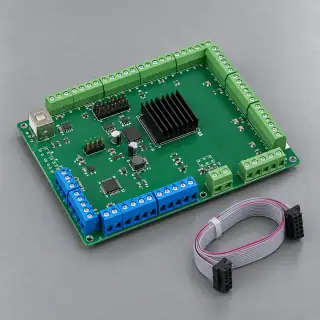
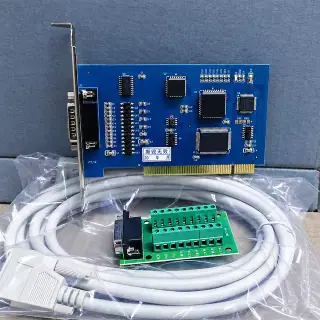
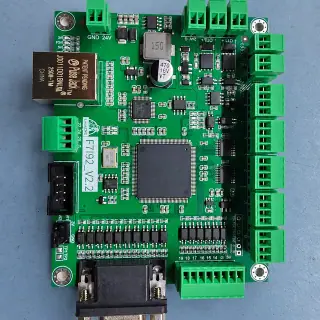
5 archived listings, observed $15.60–$84.52.
-
Cutters and bits
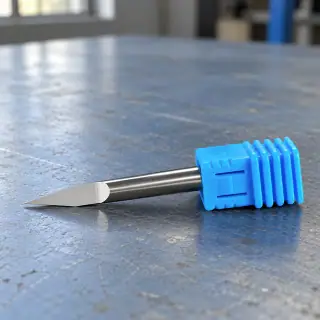
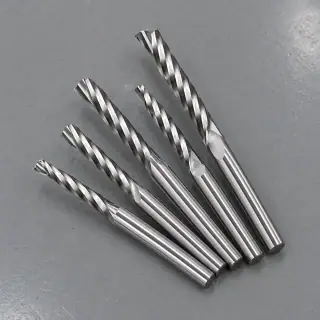

14 archived listings, observed $0.92–$7.81.
Wholesale desktop CNC machines for Australia: questions
Do I need an ABN to import desktop CNC machines into Australia?
An ABN is needed to claim GST credits as a business. Who may import and what registration is required can depend on your circumstances, so ask a customs broker what your imports need and your accountant how GST credits apply. Without an ABN, GST paid on the import is a cost.
How is GST calculated on CNC machines imported from China?
GST is 10% and is charged on the value of the taxable importation: the customs value plus international freight, insurance and duty. The customs value itself excludes international freight. This means freight and duty also attract GST, so ask your broker for a full calculation before ordering heavy machines.
When is an import declaration needed for a CNC order?
An import declaration is generally required when the customs value is above A$1,000. A single desktop machine plus spindles and tooling can exceed that. Check with a customs broker how it applies to a consolidated shipment of goods from several sellers, and what documents they need from us.
Which Australian safety standards apply to a desktop CNC router?
That depends on the exact product and use. Australian Consumer Law and mandatory safety standards can apply, and some product types are banned. Electrical and machine safety rules may be relevant to routers, spindles and controllers. Ask the national authority or a broker, and keep the seller's data-plate photos and manuals before you resell.
Importing to another market?
Planning a first order for Australia? Tell us the items, the quantities and the delivery address and we return an itemised delivered price, with the sample-first option laid out.
Plan a small order