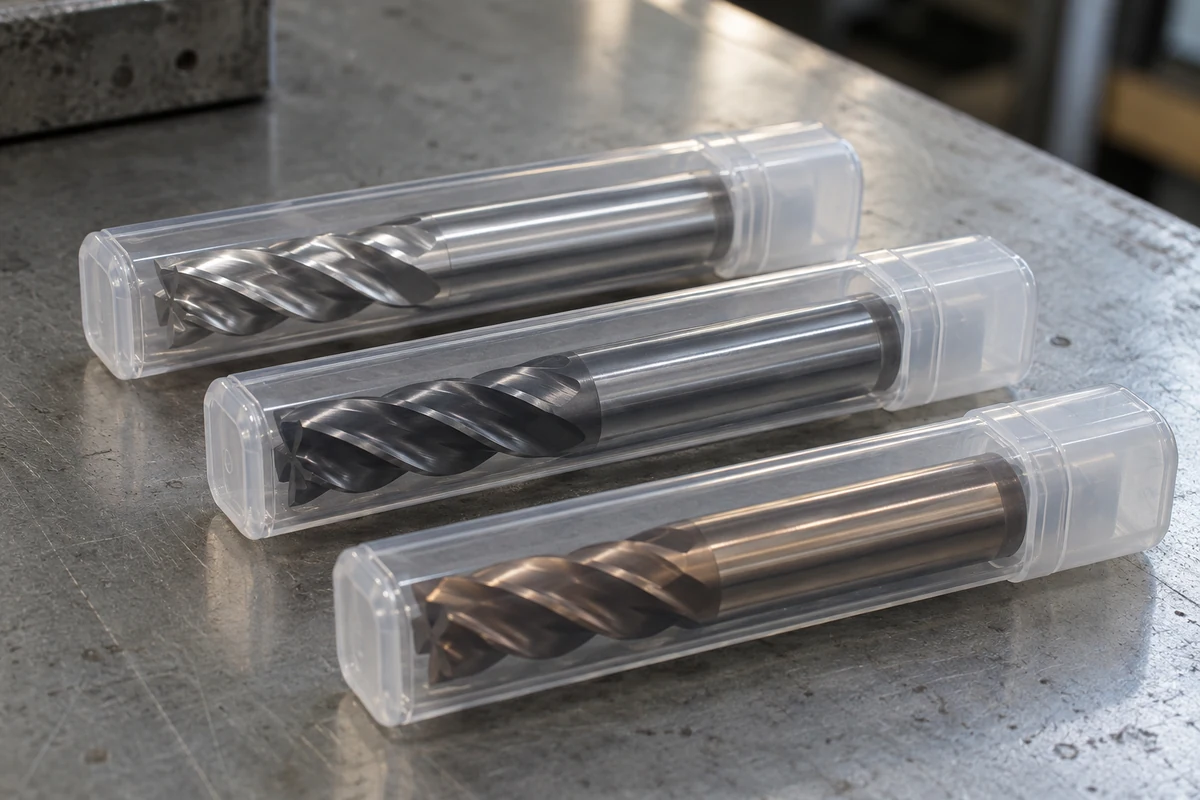
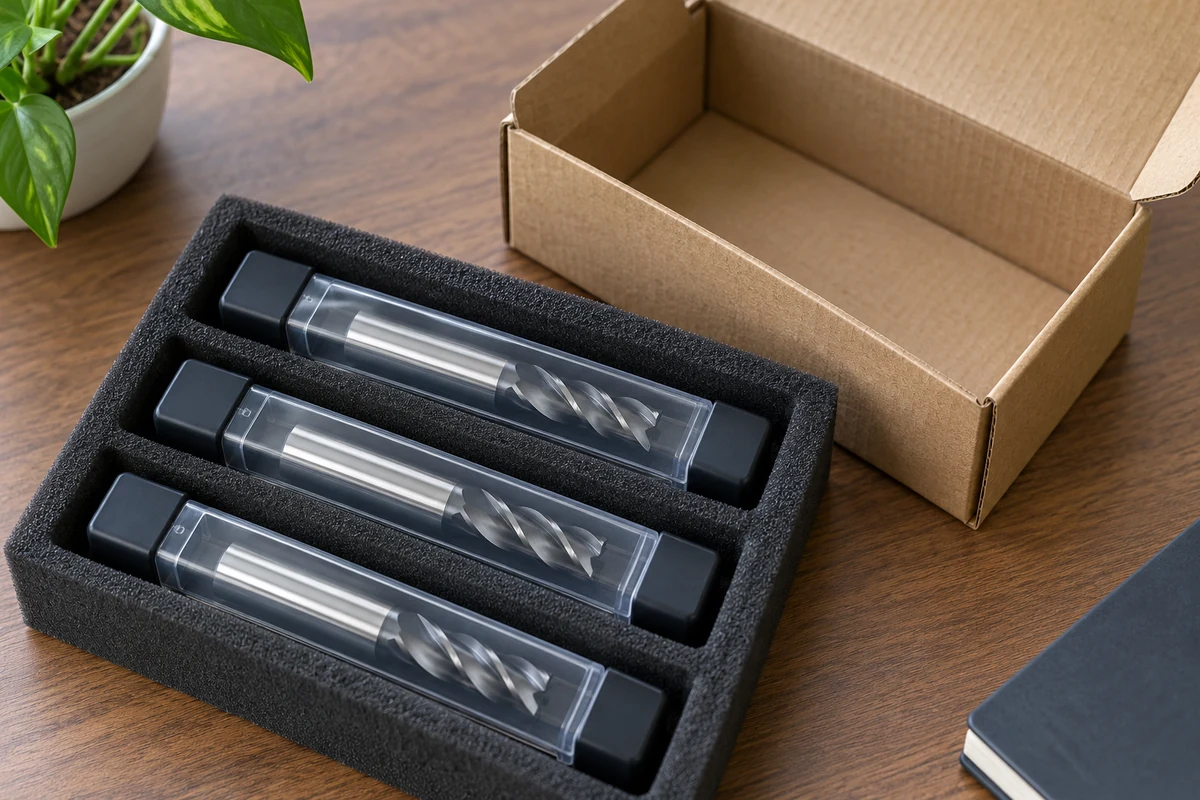
Resolve the delivered cutter’s manufacturer grade, substrate and coating designation without using a gold surface or a broad coating label as identity proof.
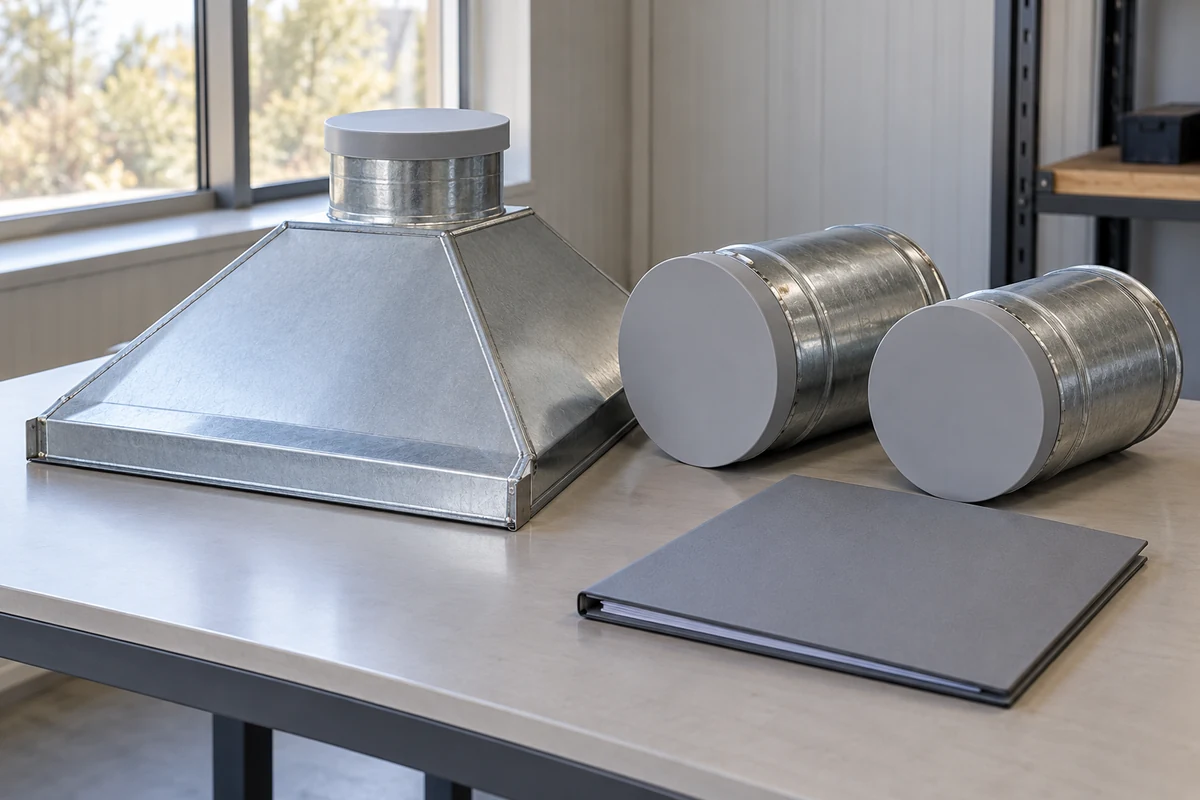
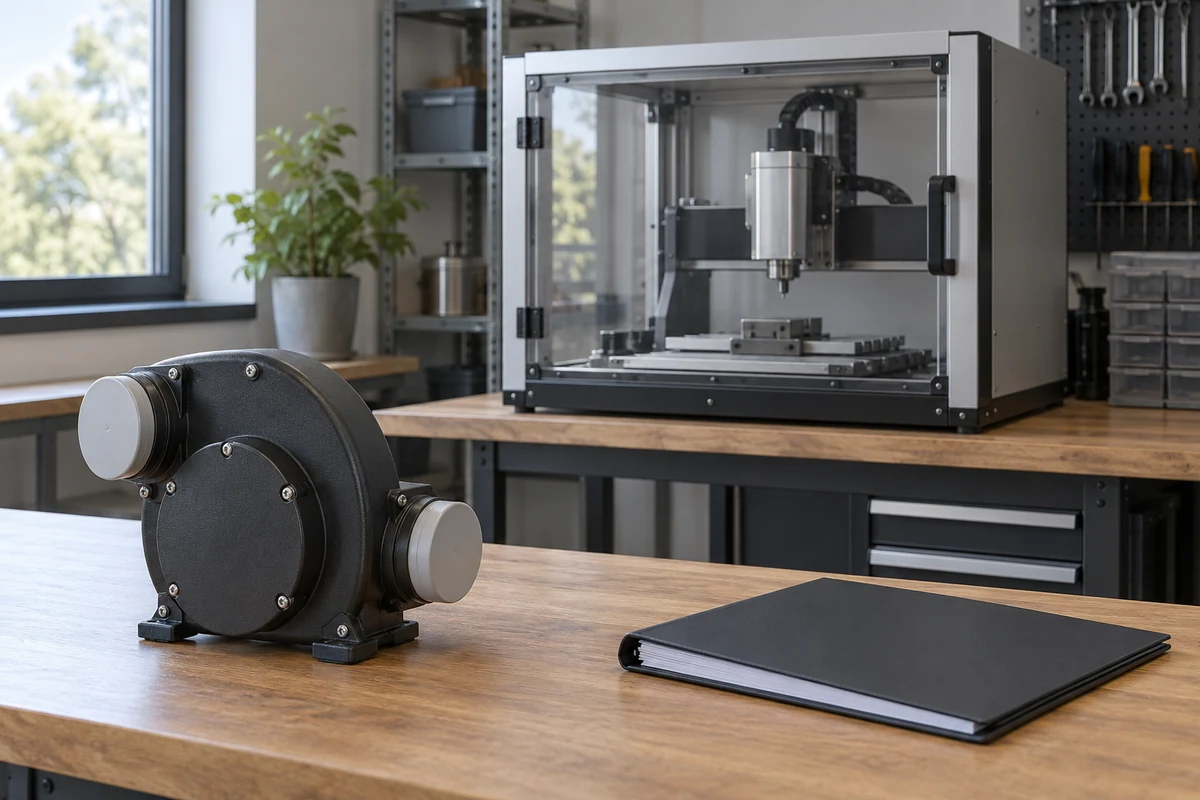
Read CNC extraction handover records against the installed hood, ductwork, process and results, keeping catalogue ratings and pressure readings in context.
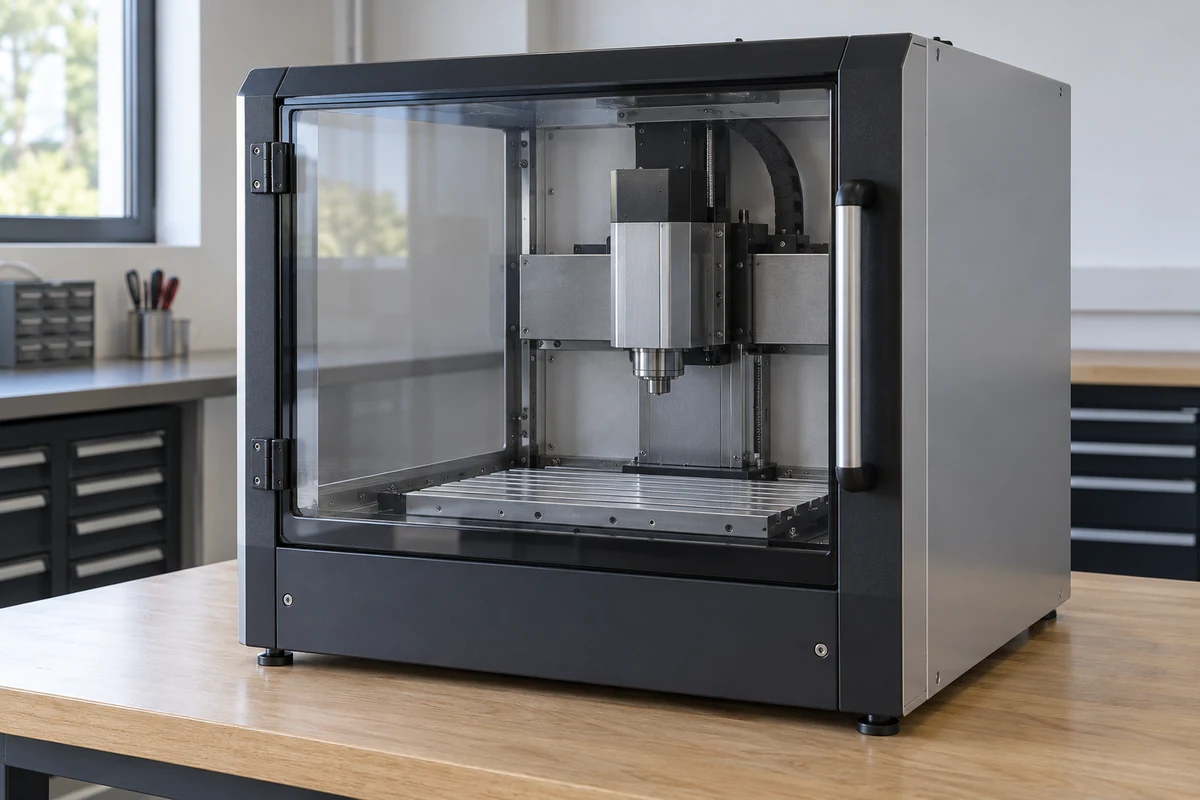
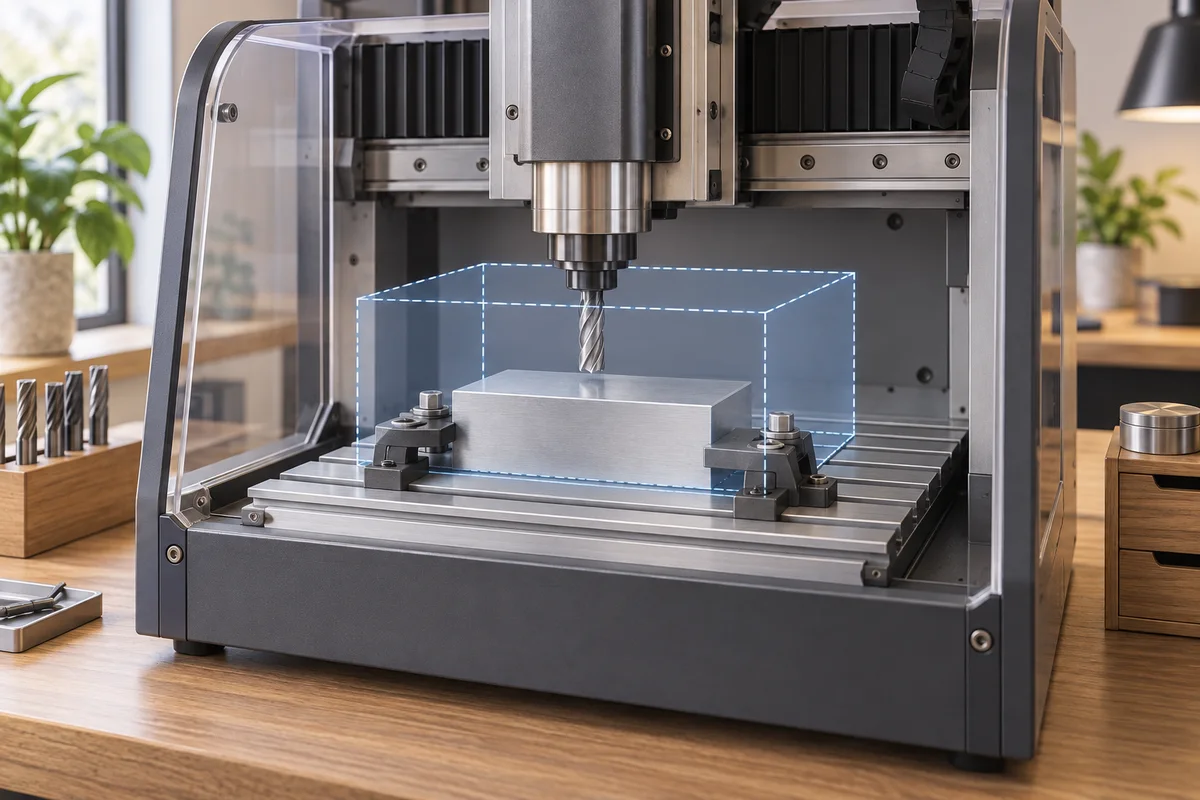
Connect each required protective function to the installed CNC configuration and qualified findings, rather than accepting enclosure photographs as functional proof.
Check whether a CNC noise report uses the agreed acoustic quantity, operating state and auxiliary-equipment scope before relying on its acceptance conclusion.
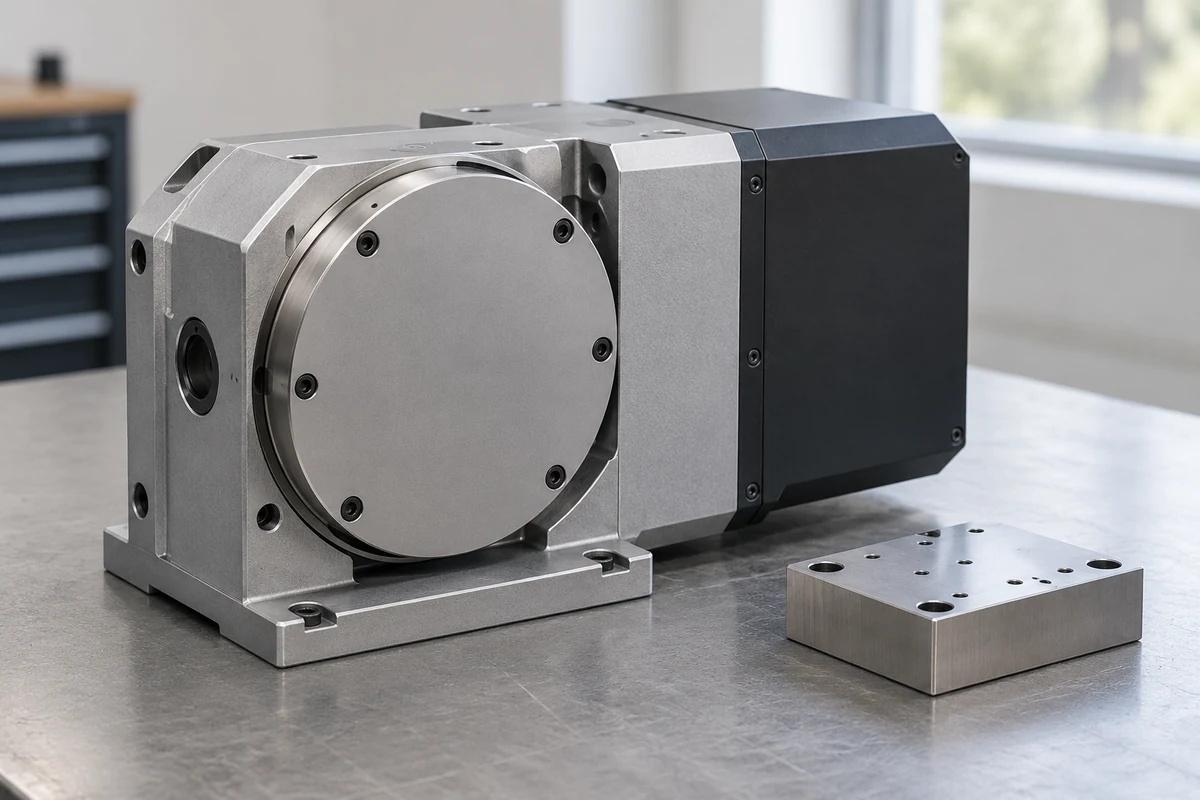
Read rotary-axis acceptance evidence against the purchased positions, approach directions and fixture conditions before releasing an indexing requirement.
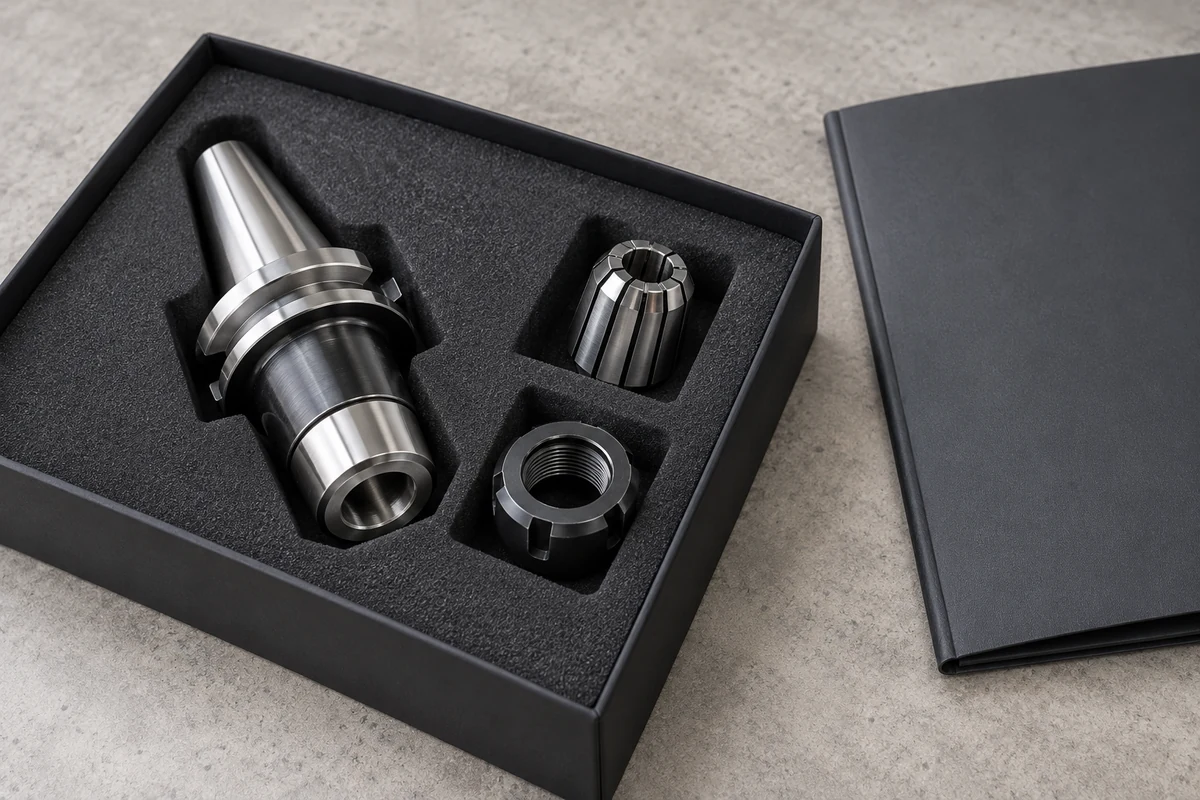
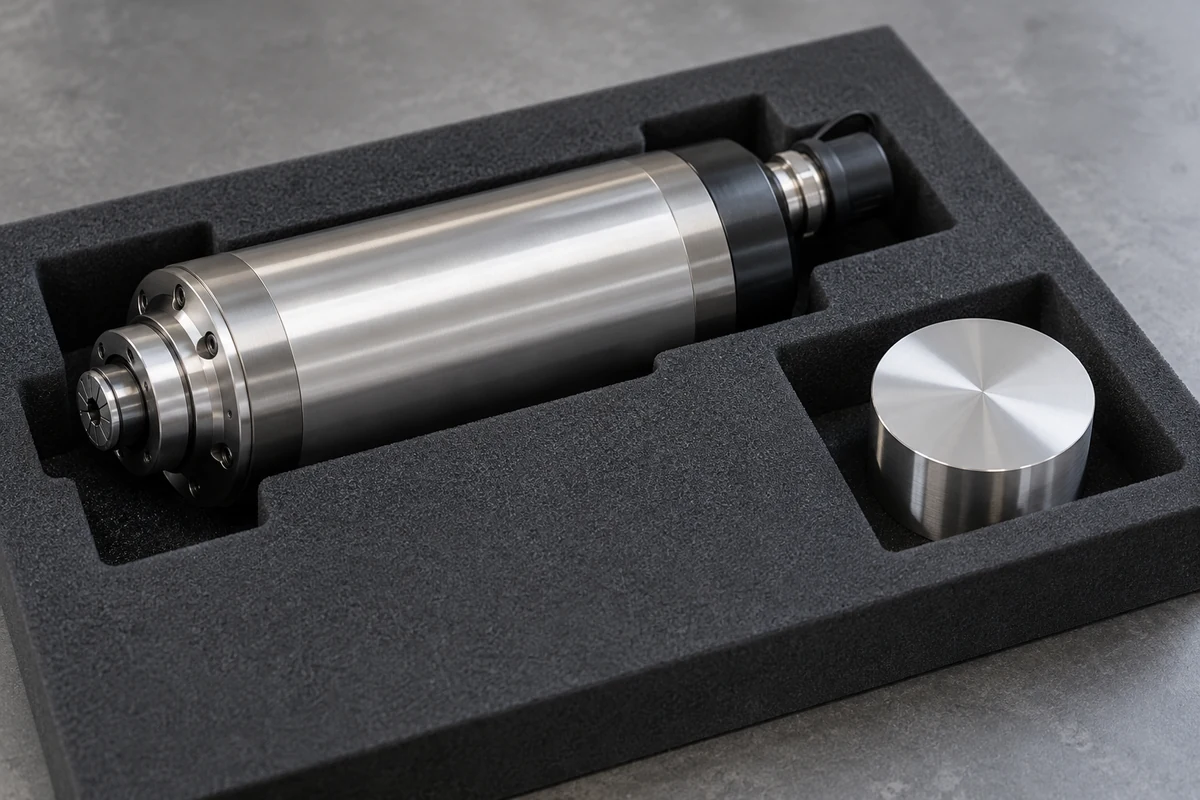
Check assembly coverage, balancing basis and residual-unbalance results before treating a holder certificate as acceptance of the supplied tool system.
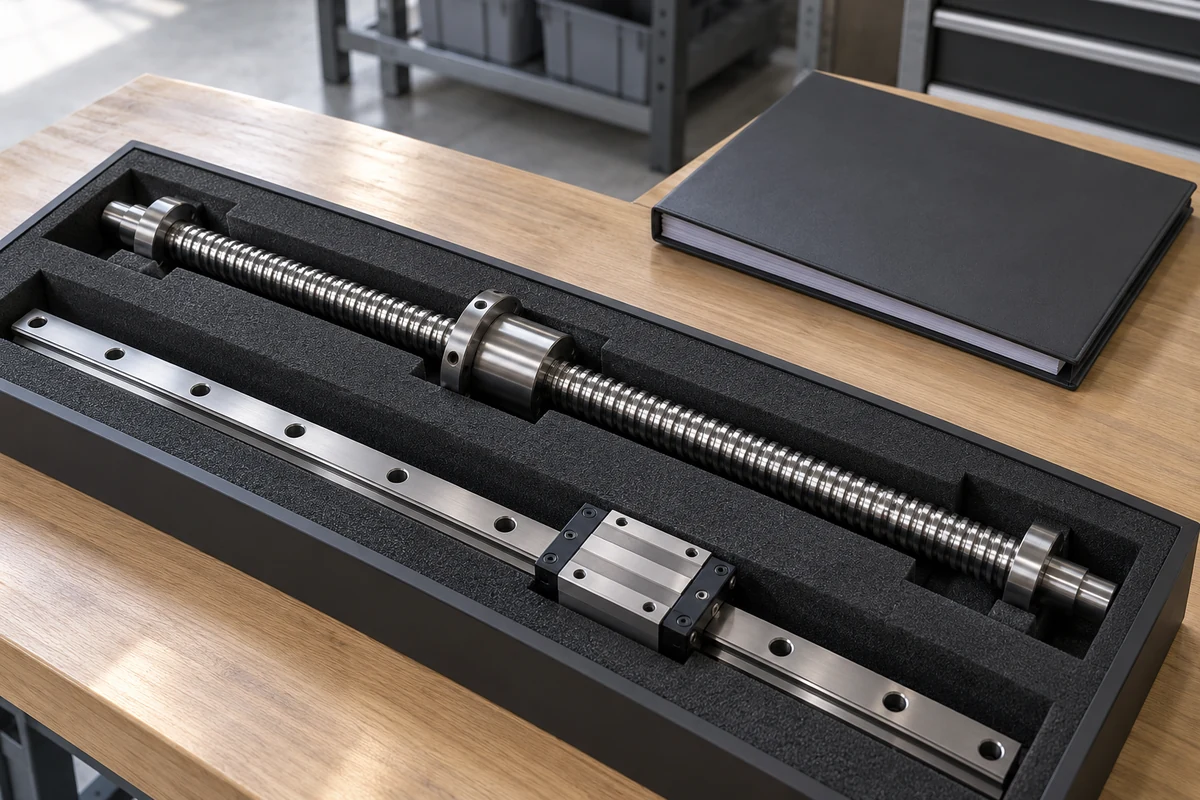
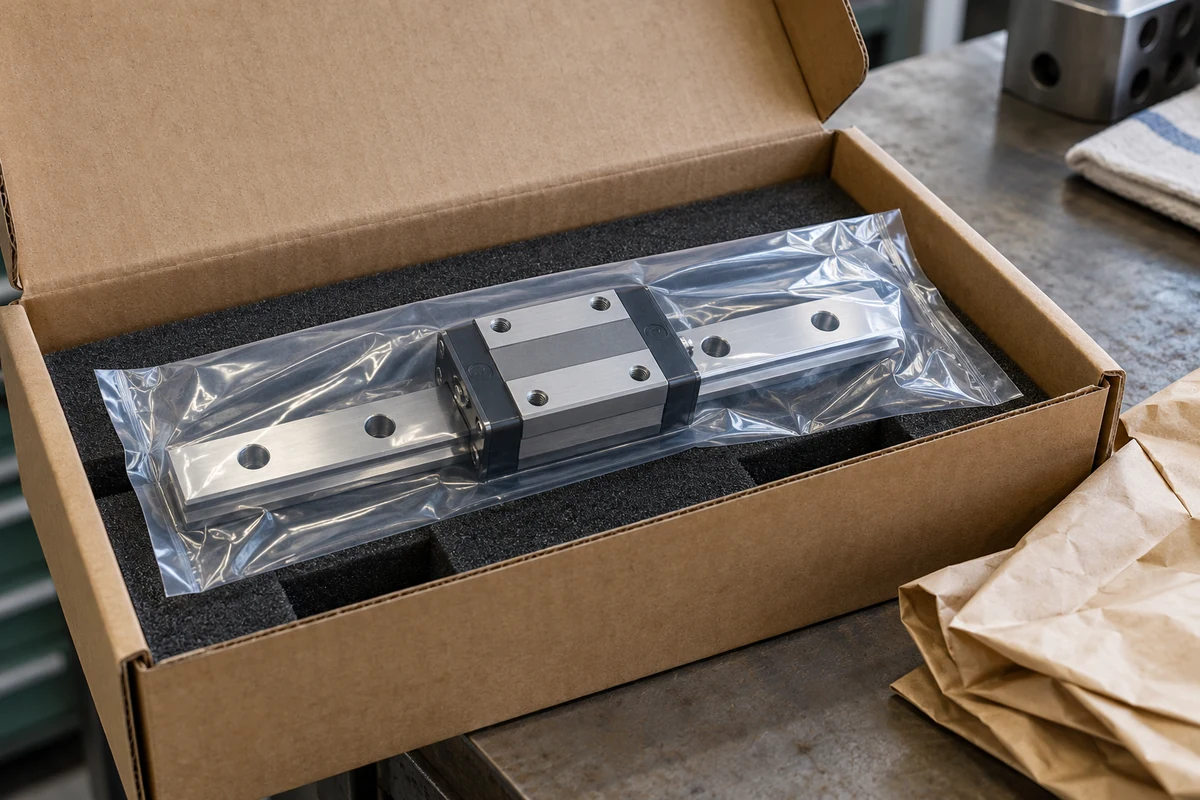
Preserve a delivered linear guide’s observed condition and obtain manufacturer-specific advice when packaging, contamination or surface marks raise a concern.
Preserve a new cutter’s as-received condition, distinguish designed edge features from suspected damage, and ask for an attributable technical disposition.