
Returning a CNC Vacuum Pump: Confirm Service Acceptance Before Freight
Connect the used pump’s actual process history, qualified declaration and receiving facility’s response before committing collection costs.
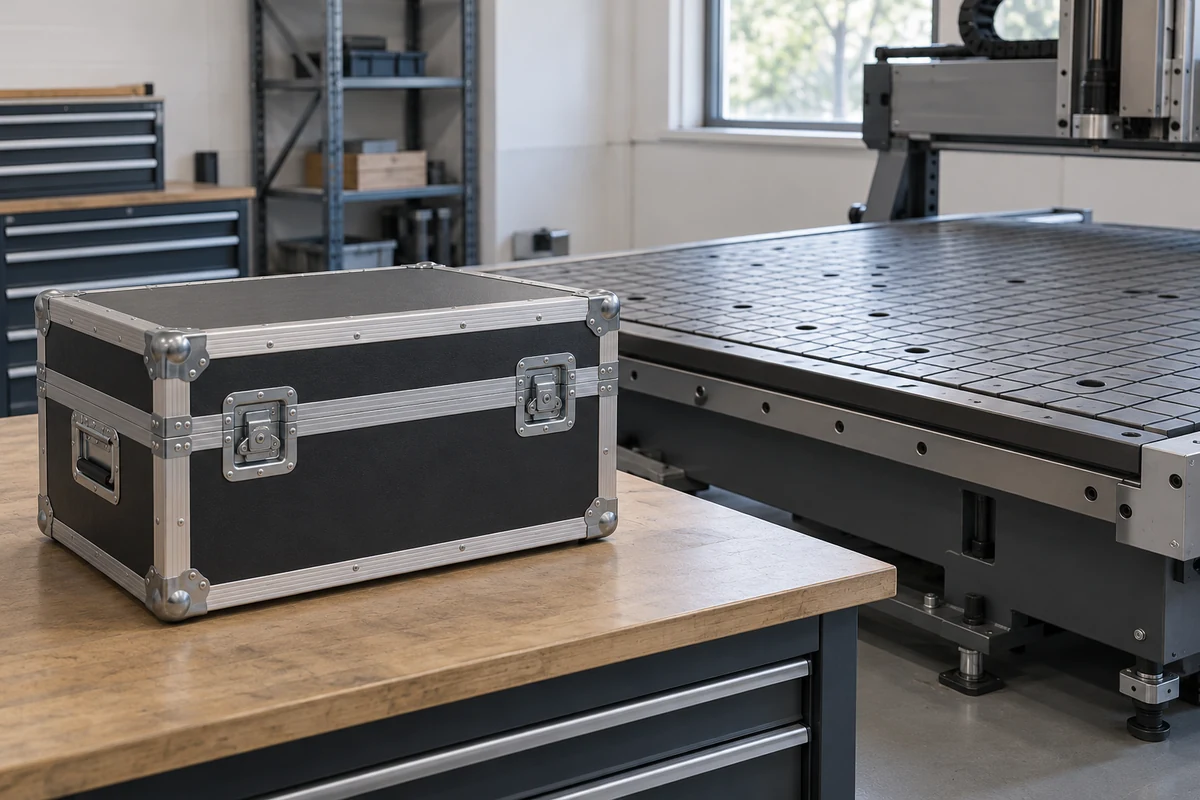
Before arranging return shipping for a CNC vacuum pump, confirm that the actual service receiver will accept the identified used pump on the disclosed process history. A return number can identify a job while leaving the receiver’s admission requirements unresolved.
The purchase decision concerns a service journey: what information must be accepted before collection is committed, and which costs remain conditional? It does not establish contamination status or provide instructions for cleaning, preparing or operating a pump.
Start with the pump and the receiving facility
Record the maker, full model, serial or other available unit identity and current location. Name the service facility that is expected to receive it, not just the marketplace seller or brand. Ask the receiving contact to confirm that it handles the proposed service enquiry and to identify its current return-document requirements.
Vacuum equipment has a genuine CNC connection. Busch’s Canadian CNC application page identifies pumps used for clamping in CNC processes. That context does not establish where a particular used pump has operated or what has passed through it. Busch vacuum technology for CNC
Keep the intended future use separate from the actual history. A seller advertising a pump for a router table may be describing a possible application. If its earlier use is unknown, preserve that uncertainty rather than writing “woodworking only” into the service request.
Gather history from people and records that can support it
Ask the seller or current owner for the actual applications, relevant substances and service records associated with this unit. Preserve dates and the source of each answer. If the pump has changed owners, make the period covered by the current owner’s knowledge explicit.
Busch’s declaration of contamination asks for pump identity, process or application information and substances that contacted the equipment. It states that the declaration must be completed and signed by authorized, qualified staff and identifies prior receiving-company approval where the equipment has not been freed from danger. These are Busch’s documented receiving requirements, not a declaration about the reader’s pump. Busch declaration of contamination, both pages
Ask the actual service centre which qualified and authorized person should supply its required declaration and how gaps in historical records are to be addressed. A buyer or buying agent should not complete unknown answers by inference. The presence of a signature box is not a reason to sign beyond one’s knowledge or authority.
An exterior photograph can establish which visible item is being discussed. It cannot establish its internal process-contact history. Similarly, a service record concerning one intervention should not be broadened into a complete history of the pump.
Separate admission from freight acceptance
Ask the receiver to identify the exact unit and information reviewed in its response. Record whether it has accepted the return, requested further evidence or limited its approval to a stated condition. A general repair quotation may leave this admission step open.
Then ask the responsible transport provider to review the actual proposed return on its own terms. Receiving approval does not settle carrier acceptance. Conversely, a collection offer does not prove that the service centre is willing to receive the goods described.
Keep the two responses linked but separate. The receiver owns its facility’s admission decision; the transport provider and relevant specialists own the transport review. If either needs more information, assign that question to the person able to answer it rather than changing the goods description.
Where the receiver requests additional professional work, obtain the responsible provider’s scope and the buyer’s approval of its commercial terms. This article does not tell the reader how to carry out that work. No generic treatment charge or assumption that such work will be required belongs in the freight budget.
Price the return that can actually proceed
Request a quote using the named receiver, accepted unit scope and provider-supplied package information. Identify collection, carriage and delivery boundaries and the payer for each agreed service. Keep assessment and repair charges distinct from transport.
Ask what the service offer says about a pump that cannot proceed into the proposed repair scope after assessment. Does the actual provider propose a return, a revised service offer or another decision for the owner? Obtain its terms and approval requirements; do not assume the first freight purchase includes every later movement.
If history remains incomplete, label the collection decision as dependent on the receiver’s response. A provisional freight estimate may help planning, but paying for collection does not solve the evidence gap. Ask about the actual consequences of changing a booked service rather than inventing a cancellation or storage fee.
A receiver-acceptance worksheet
| Entry | Evidence or response needed |
|---|---|
| Exact pump | Maker, model, unit identity and current owner record |
| Service receiver | Named facility, accepting contact and job reference |
| History | Actual applications, relevant substances and the periods covered |
| Missing history | Specific gaps and who may be able to resolve them |
| Declaration owner | Authorized, qualified person identified by the relevant process |
| Receiving decision | Written response covering this unit and disclosed history |
| Transport decision | Separate provider response on the actual return |
| Cost ownership | Quoted freight, service dependencies and later disposition terms |
This original worksheet supports correspondence. It is not a substitute for the receiver’s form, a contamination certificate or a transport declaration.
A fictional pump with an unknown earlier application
Imagine a fictional seller offers a used pump as suitable for a CNC router’s workholding system. The buyer wants an overseas service centre to assess it before relying on it. The seller has its model and an exterior photograph but cannot describe its earlier application.
The service centre asks for process-contact history. The buyer pauses the collection-dependent decision and requests records from the seller and any documented earlier custodian. It does not infer an uncontaminated history from the advertised router application or the clean appearance.
Suppose records identify one period of woodworking use but leave an earlier period unresolved. The buyer sends that bounded information to the receiver through the agreed contact. The receiver determines what further evidence or professional assessment it requires; the buyer does not convert partial history into a complete declaration.
If an attributable acceptance is later obtained, the transport enquiry can proceed against the accepted scope, subject to its own review. If the gap remains material to the receiver, the buyer keeps the service journey unresolved and reconsiders the purchase. No actual admission, contamination finding, service result or transport price is assumed.
Release only the agreed service journey
Before committing dependent collection, reconcile pump identity, receiver reference, accepted history and the transport response. Refer any newly disclosed application or changed unit back to the responsible parties. A completed admission review does not establish the pump’s operating condition or suitability for the future workholding system.
As an independent buying agent, we can coordinate supplier evidence within an agreed purchasing scope; we do not certify contamination, repair pumps or approve transport. See CNC workholding. Use the CNC quote request for a supported listing link, description or images. The form accepts up to five PNG, JPEG, WebP or GIF images, at most 10 MiB each and 20 MiB total. Service forms and technical records require a separately authorized exchange.
Frequently asked questions
What contamination information does a CNC vacuum-pump service return need?
Ask the actual receiving facility for its current requirements. Gather unit identity, actual application and relevant process-contact history from attributable records and knowledgeable parties. State gaps and the periods covered; do not infer a complete history from the seller’s advertised future use.
Is an RMA enough to ship a used vacuum pump?
A return reference may identify a job without resolving the receiver’s admission requirements. Obtain the receiving facility’s response covering the identified unit and disclosed history, then seek the separate transport-provider review. Neither a repair quote nor collection availability should be treated as the other approval.
Who should complete a pump contamination declaration?
Use the receiving provider’s current requirements and an appropriately authorized, qualified person who can support the statements. A buying agent should not fill unknown history with assumptions or sign for the reader. Ask the receiver how missing information should be addressed before committing dependent collection.
What if the pump looks clean but its earlier application is unknown?
Keep the earlier history unresolved. An exterior image does not establish process-contact history. Ask for available records and the receiver’s required next step; do not make an uncontaminated-status claim or attempt an improvised treatment to make the return paperwork appear complete.
Sources
Discuss a sourcing request related to this article.Returning a CNC Vacuum Pump: Confirm Service Acceptance Before Freight