
Reorder Vacuum Gasket Cord by Required Continuous Length
Compare approved sealing-cord demand with available segment lengths and actual selling terms before buying more material or a complete fixture.
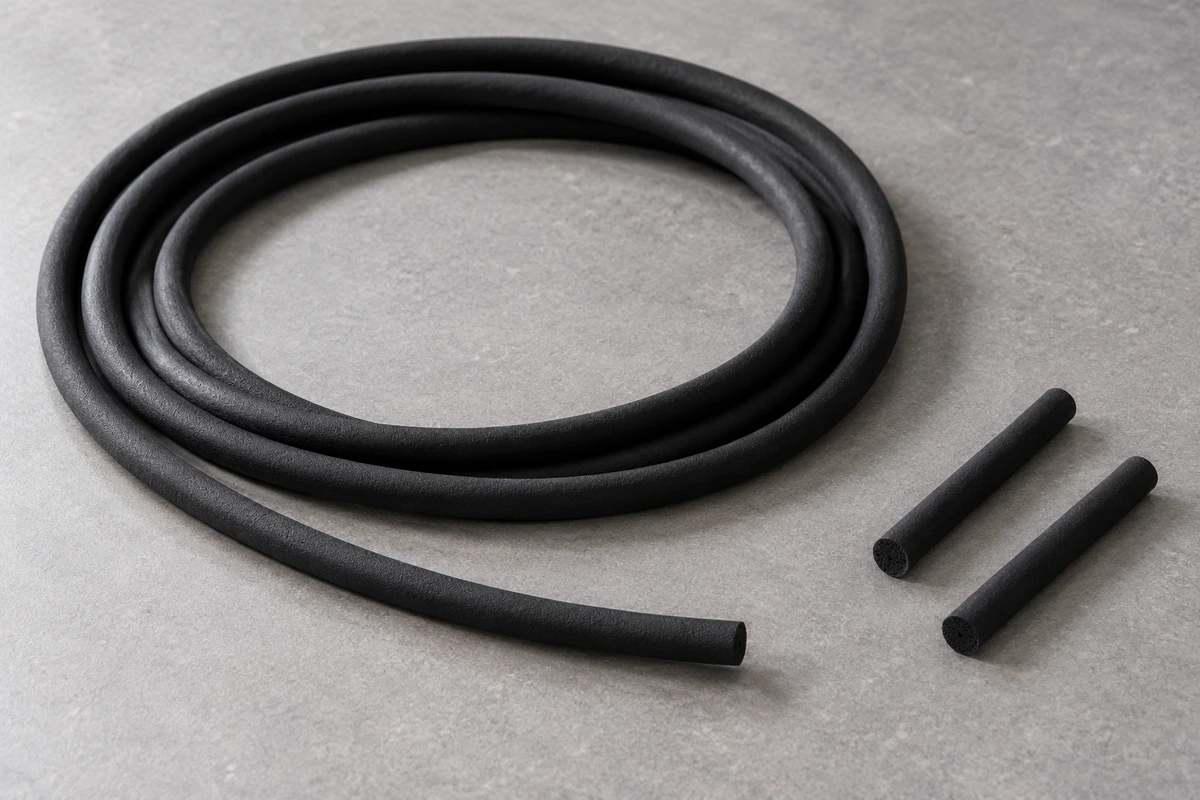
A stock balance of several meters of vacuum-clamping gasket cord can still leave a replacement requirement uncovered. The missing information is often the length of each available continuous piece. When the technical requirement calls for a defined uninterrupted segment, adding shorter remnants together on a spreadsheet does not establish that the material can supply it.
The buyer’s task is to compare the already approved sealing-material requirement with the actual form of supply. The existing fixture and its approved gasket specification are the starting point. This article gives no seal design, groove measurement, joining method or installation procedure.
Replenish the separate sealing material
Schmalz lists DI-SCHN 3 MOS CR-20, article 10.07.04.00088 under machining vacuum-clamping accessories. Its product page identifies sealing cord with a 3 mm outside diameter and chloroprene CR sealing material, ordered by the meter. We reviewed the page on 13 October 2026.
This named product shows that the sealing material can be a separate purchase from the fixture. It does not establish that it suits an unnamed clamping plate. Preserve the full approved article identity and do not import material claims from another gasket family, including an automation product that happens to share part of the family name.
If the current question concerns the fixture body rather than its seal supply, ask the technical owner to define that changed scope. Buying cord cannot be assumed to resolve an unassessed workholding concern. Likewise, a request for consumable material alone does not justify buying another complete fixture.
Obtain segment demand from the technical requirement
Ask the responsible technical owner for the approved material identity, required continuous lengths and quantity of each. Record those requirements without deriving them from a photograph or inventing extra allowance. Any preparation allowance must have a stated basis from the appropriate provider.
Then use the existing stock records to show each available segment that could cover those requirements under its actual status. A total-length balance remains useful for accounting, but it answers a different question. The same segment must not be allocated in full to two separate requirements.
Keep short remnants visible with their real lengths and identities. Material too short for the current demand is not automatically universal scrap. It may have another approved purpose, but no such purpose should be invented simply to reduce the apparent cost of the original purchase.
Ask what a meter-based offer will actually deliver
A price per meter states a commercial measure. It does not by itself promise one continuous coil, a particular minimum order or mandatory whole-meter rounding. Ask the supplier for its actual selling increment, minimum quantity and the continuous lengths it will provide.
Make the distinction explicit in the quotation: total length purchased, individual supplied segment lengths and any separately agreed preparation. If the seller can supply the same total only as shorter pieces, send that changed form of supply back for review. Do not convert it into an assumed permission to join pieces.
A reel description also needs contents. “One reel” may be convenient in stores, but procurement needs the actual quoted length and continuity. If a partial reel remains after previous use, retain its known current balance rather than repeating the original purchased quantity.
A fictional shortage hidden inside the total
Suppose a fictional technical requirement calls for one continuous 1.2-meter segment of an already approved cord. Stock consists of two separately identified 0.8-meter remnants. Their combined length is 1.6 meters, but neither is long enough for the defined requirement. These figures are accounting illustrations, not a recommendation for any fixture.
The buyer therefore asks for supply that can cover the 1.2-meter continuous requirement. It does not report a 0.4-meter surplus as proof that the job is covered, and it does not ask stores to join the remnants. Their possible value for other approved needs remains a separate entry.
Suppose the supplier quotes by the meter but proposes two 0.6-meter pieces. The total matches the requested length while the form of supply does not answer the stated requirement. The buyer should ask for an applicable continuous-length offer or retain the line unresolved. A matching total on the invoice cannot repair the mismatch.
Compare cord supply with the prepared alternative
For an actual cord-only offer, include the delivered material cost and any separately quoted qualified preparation required by the approved scope. A prepared-seal offer should define its deliverable and included work. Compare those actual scopes before considering an entire replacement fixture, which would require a separately justified technical need.
Show residual material after the planned requirement without assuming it will all be consumed. If the supplier’s actual selling terms require additional length, that excess has a purchasing cost even if its per-meter rate is attractive. A useful comparison keeps the present commitment and possible later use visible side by side.
Save the accepted article, required segments, supplier’s continuous-length commitment and quantity terms for the next reorder. The record should allow another buyer to understand why sufficient total meters did or did not cover the demand. It does not establish sealing force, fixture performance, elastomer life or permission to return the workholding system to use.
Request the defined replacement supply
As an independent buying agent, we can organize supplier offers and purchasing questions within an agreed scope. Technical suitability and any physical preparation or service remain with the responsible qualified provider. See CNC workholding, then start a CNC quote request with the product link, description or existing identification images. Arrange technical documents through a separately authorized exchange.
Frequently asked questions
Can two short remnants cover one longer continuous requirement?
Do not assume that they can. Compare each available segment with the approved continuous-length requirement; a summed balance does not establish joining permission.
Does ordered-by-the-meter mean whole-meter purchases?
Not necessarily. Obtain the seller’s actual quantity increment, minimum order and rounding terms rather than inferring them from the unit label.
Does one reel guarantee the needed continuous length?
No. Have the current offer state its total length and supplied segment lengths. A commercial reel description alone is insufficient.
Does the cited Schmalz cord suit any CNC vacuum fixture?
No. The source describes one machining-clamping article. Retain the exact approved gasket specification for the actual fixture; neither material resemblance nor a family name establishes suitability.
Sources
Discuss a sourcing request related to this article.Reorder Vacuum Gasket Cord by Required Continuous Length